The wealthiest writer in the world is so rich she never has to touch a pen again:
JK Rowling
Her books and movies grossed $1.1 billion
And her 7 storytelling frameworks are a must read for every writer, entrepreneur, and storyteller
Here’s the breakdown: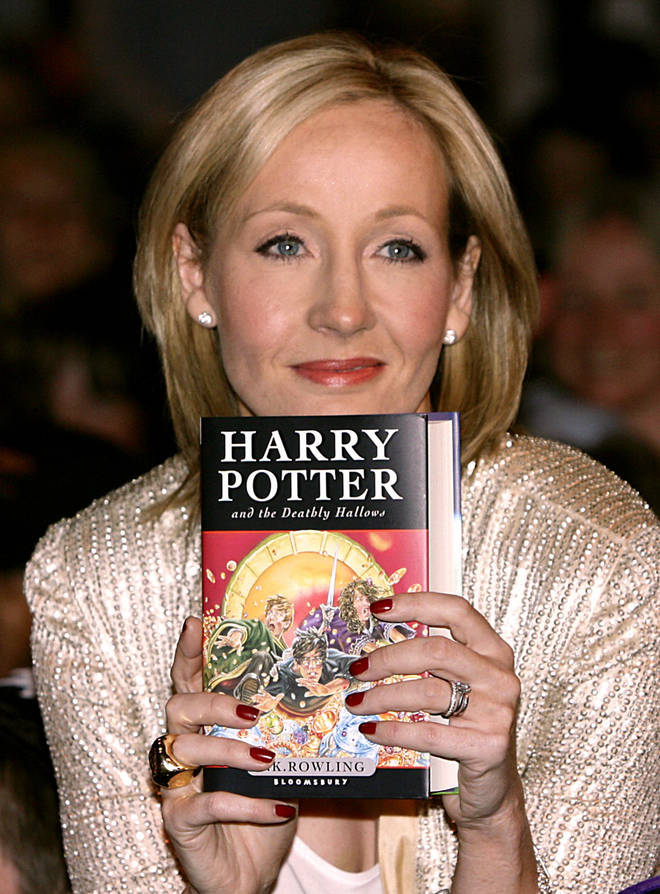
You might be thinking:
How can I learn business from an author who only writes about fiction?
Because no one makes money selling an experience like JK
So let’s talk about her storytelling frameworks:
Step 1: Use sub-plotting as a way to plan your story.
JK uses this method in all of her works because it helps preplan plot twists without interrupting story flow.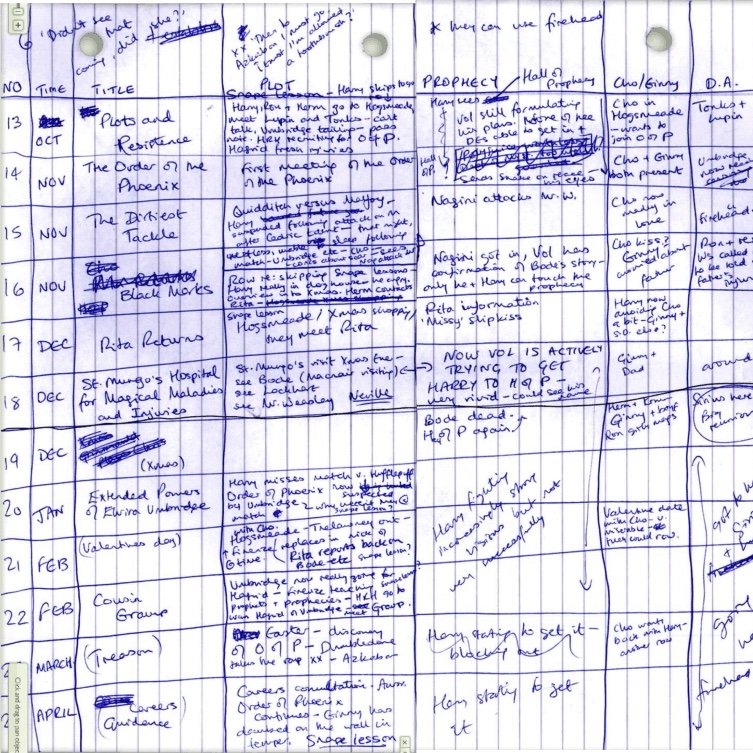
Step 2: Characterizing to build a connection with the reader.
Meaning:
• Action/attitude/behavior
• Physical description
• Inner thoughts
• Reactions
• Speech
Mastering this will help you show your reader what you want them to know without outrightly saying it.
Step 3: Dropping clues + hiding secrets.
Nothing keeps readers more engaged than a juicy secret
When writing JK plans and plants all her secrets with 4 frameworks:
[ Context, Tone, Symbolism, Direct Statements ]
This turns your hidden secret into a satisfying repercussion.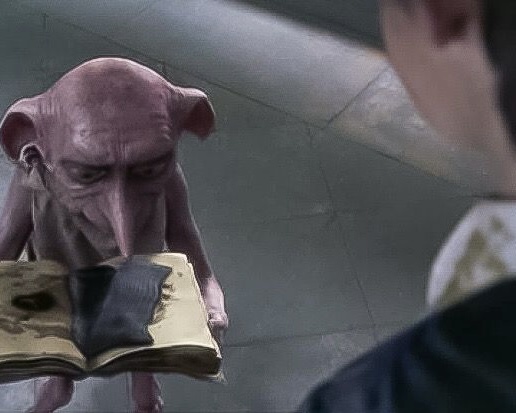
Step 4: World building for an immersive and intangible experience.
JK did this by creating new lands, species, societies, and social norms
The best way to craft a world is to outline it before you write
Consider pillars like climate, resources, and geography as well.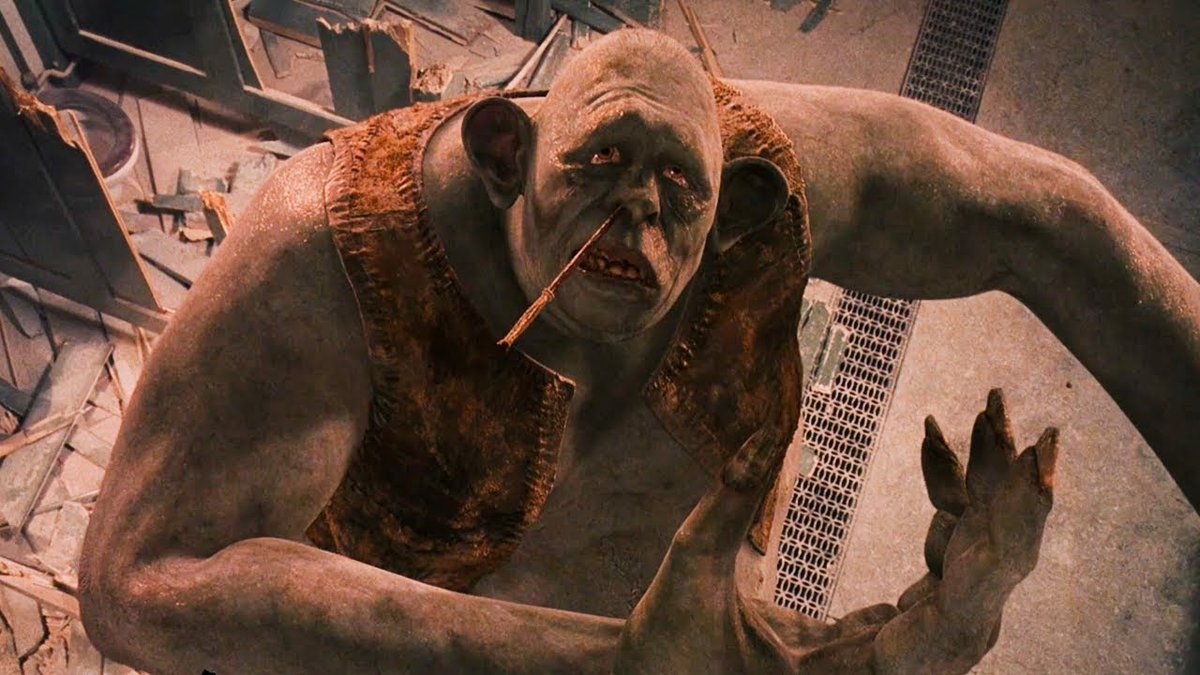
Step 5: Tease marketing through storytelling
The best marketing teases and intrigues. To build anticipation utilize video, music, and image to form a narrative that packs an emotional punch
Step 6: Formulate main character energy
This will concoct a inseparable bond between your creation and your audience — unique characteristics can intensify this bond.
ie: The scar
Step 7: Write first — build later.
Continue writing don’t stop to look back. When you’re done — rewrite. Then send to an editor and re edit.
Conclusion:
1. Subplot
2. Build connection
3. Drop clues and secrets
4. Build an immersive world
5. Tease marketing
6. Fascinating characters
7. Write first — build later
Thank you for reading! If you enjoyed this thread RT the first tweet and follow me @respectmywrites twitter.com/respectmywrites/status/1536392981506408448
Wanna gain 1500 followers per month? Click here for ghostwriting services:
twg-ghost.carrd.co/

Respect My Writes
@respectmywrites_1
recovering creator | bringin back poorly optimiz’d tweetz | prev @beehiiv