1/10 Instagram just made a move that changes everything about content discovery.
linkedin.com/pulse/instagrams-google-search-integration-content-game-just-dan-mccoy-md-hppqc
Starting July 10th, your Instagram posts now show up in Google search results. This isn't just another algorithm update—it's a fundamental shift in how content visibility works.
blog.rockettools.io/p/b0ab1104-6076-4d0f-a2ff-b4cdf07b8d86/
2/10 For years, Instagram was a walled garden. Amazing content, engaged communities, but invisible to Google's crawlers.
That wall just came down.
Your Reels, posts, and carousels from professional accounts can now compete directly with blogs and websites for search traffic.
3/10 The data was already telling this story:
• 32% of US users search for content on Instagram monthly
• Google had already indexed 613k+ Instagram Reels
• Social platforms have become search engines
Instagram's move just made it official.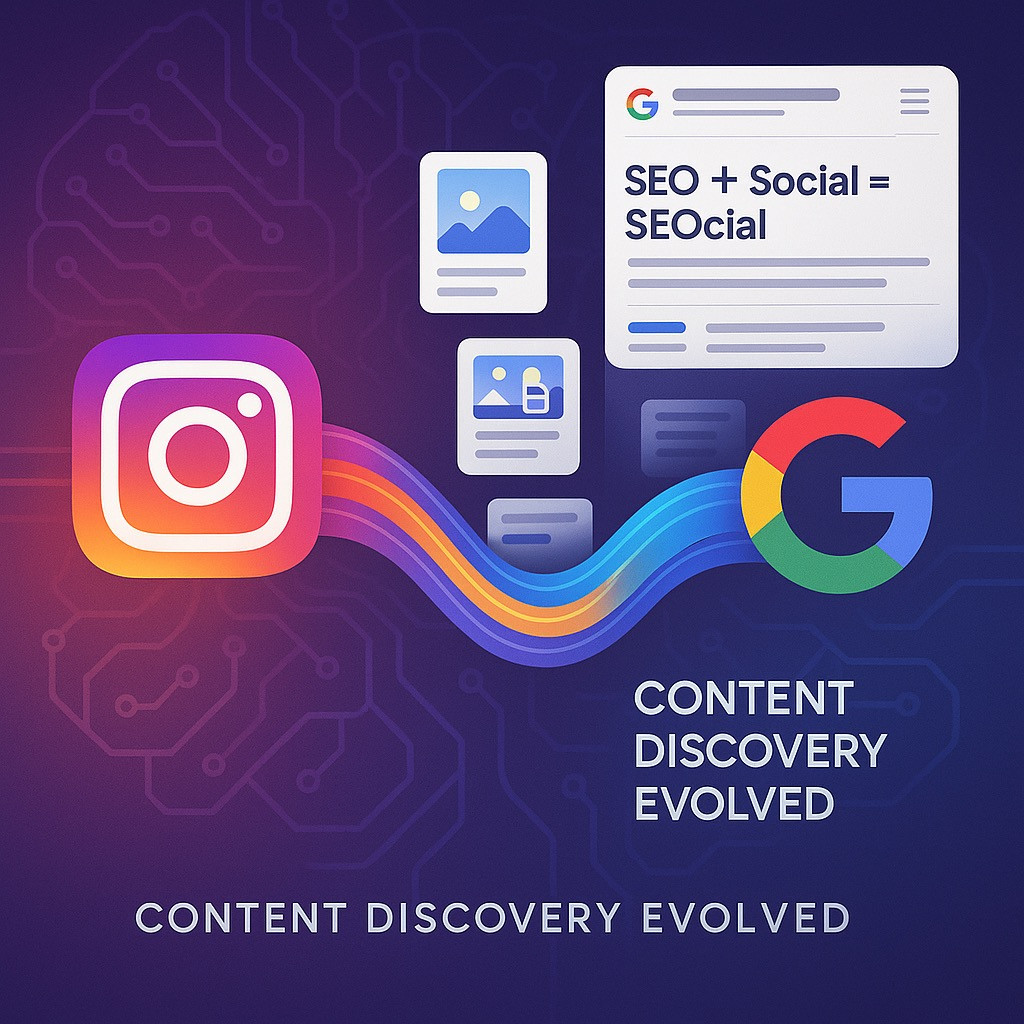
4/10 Here's what this means for your content strategy:
Your Instagram captions now function like webpage titles. Your alt text becomes searchable metadata. Your hashtags aren't just for Instagram's algorithm—they help Google understand your content too.
linkedin.com/pulse/instagrams-google-search-integration-content-game-just-dan-mccoy-md-hppqc
5/10 Think about this: A local gym's squat demo video can now appear when someone Googles "how to squat properly."
A wedding photographer's portfolio shot surfaces in Google Images for "Pittsburgh wedding photographer."
Your social content just became search traffic.
6/10 This creates a content longevity problem (in the best way).
Traditional Instagram posts had a short shelf life—a few days of engagement, then archive obscurity.
Now, well-optimized posts can drive traffic for months or years through search results.
7/10 The strategic shift: You're no longer creating content for just one platform.
You're creating for an ecosystem where social and search intersect. Content needs to serve both human engagement AND search intent.
8/10 Right now:
→ Writing captions with keywords in mind (but keeping them human)
→ Using descriptive alt text on every post
→ Adding text overlays to Reels with search-friendly phrases
→ Optimizing bios with relevant keywords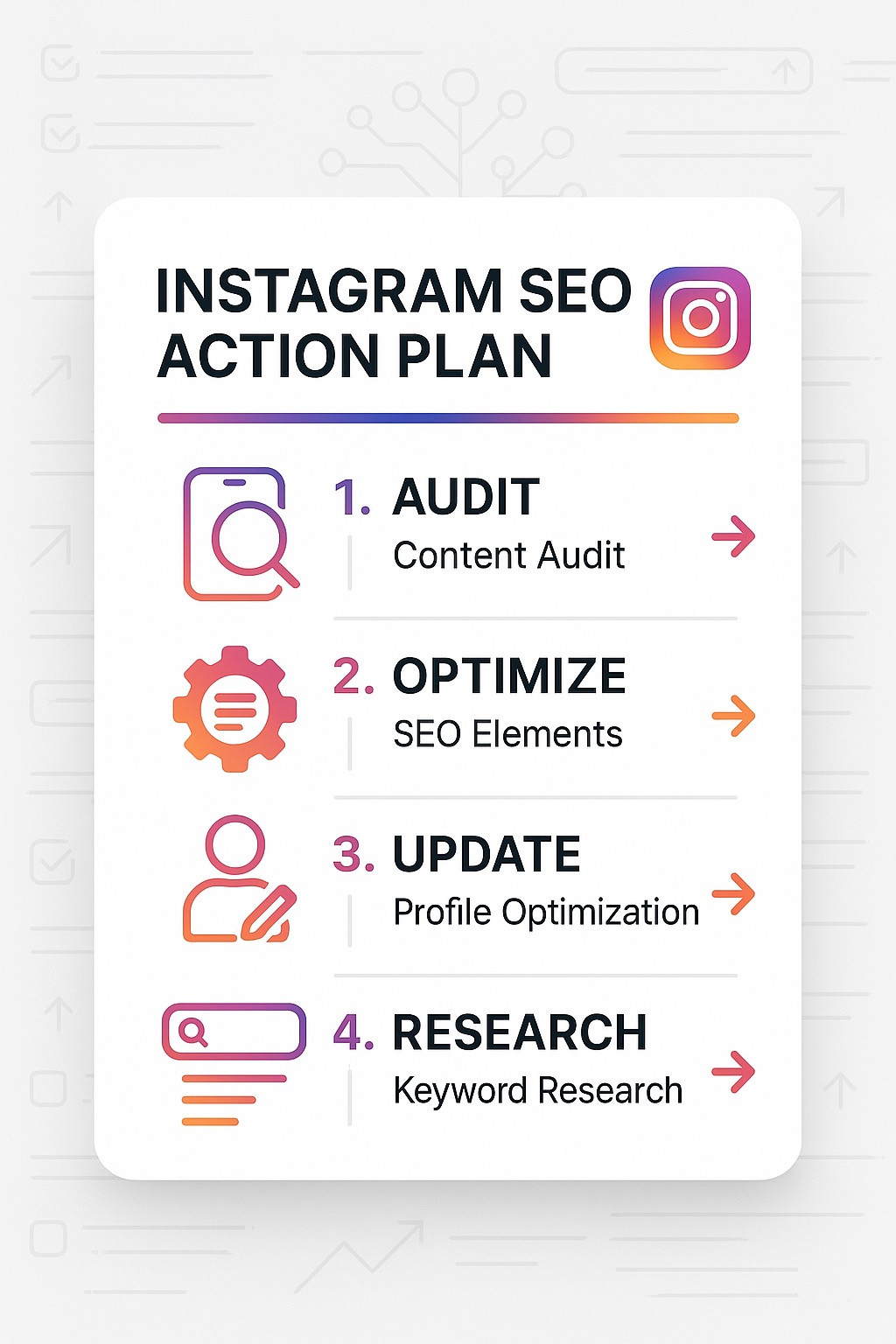
9/10 The bigger picture: This is part of the LLM era transformation.
Social content isn't just competing for engagement—it's training AI systems and becoming part of how information gets discovered and shared across the internet.
linkedin.com/pulse/instagrams-google-search-integration-content-game-just-dan-mccoy-md-hppqc
10/10 The brands that win will master the balance: creating content that feels native to Instagram while being structured for search optimization.
Your Instagram content now has the potential to reach people who've never heard of your brand.
The question is: Are you ready?
blog.rockettools.io/p/b0ab1104-6076-4d0f-a2ff-b4cdf07b8d86/

Dan McCoy, MD
@docdano
Storyteller + Artificial Intelligence + Healthcare https://danmccoymd.substack.com/