In 1945, Zora Neale Hurston wrote to Dr. W.E.B. DuBois asking him to fund a cemetery for the "illustrious Negro dead."
Fifteen years later, in 1960, her neighborhood had to take up a collection to bury her after she died in the St. Lucie County Welfare Home.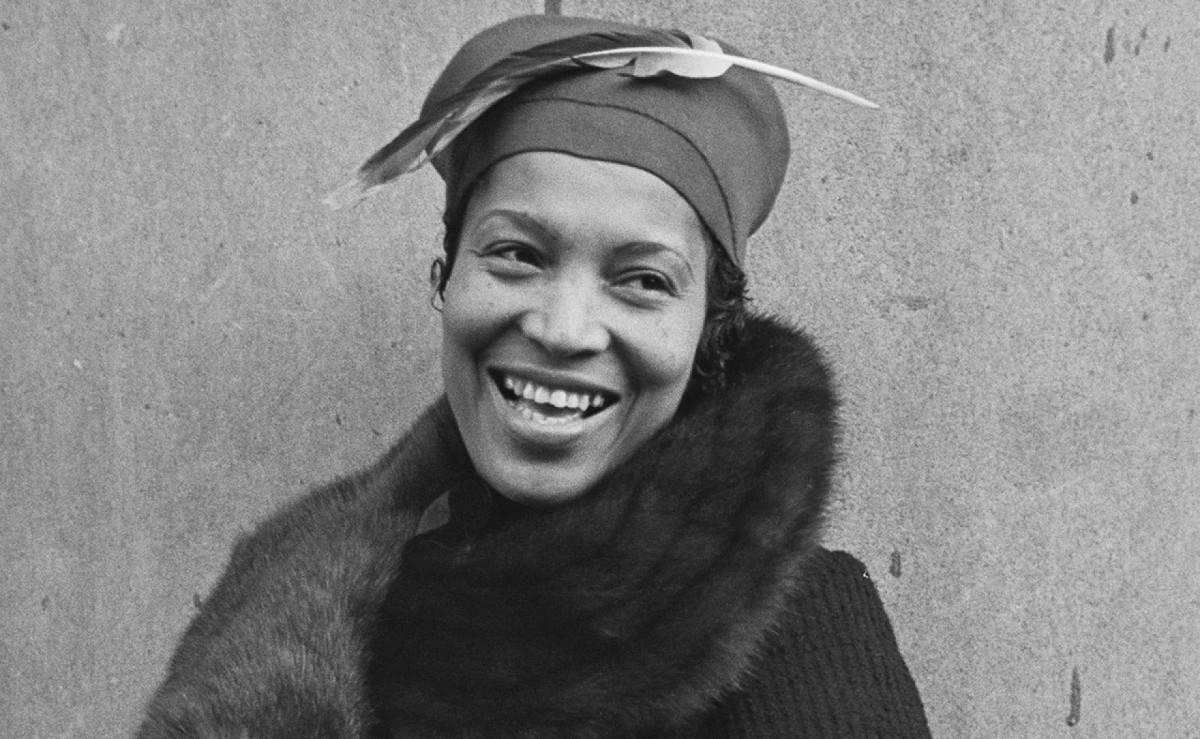
In 1973, young writer Alice Walker (pre-Color Purple) traveled to Eatonville, Florida, to place a tombstone on Zora Neale Hurston's her grave.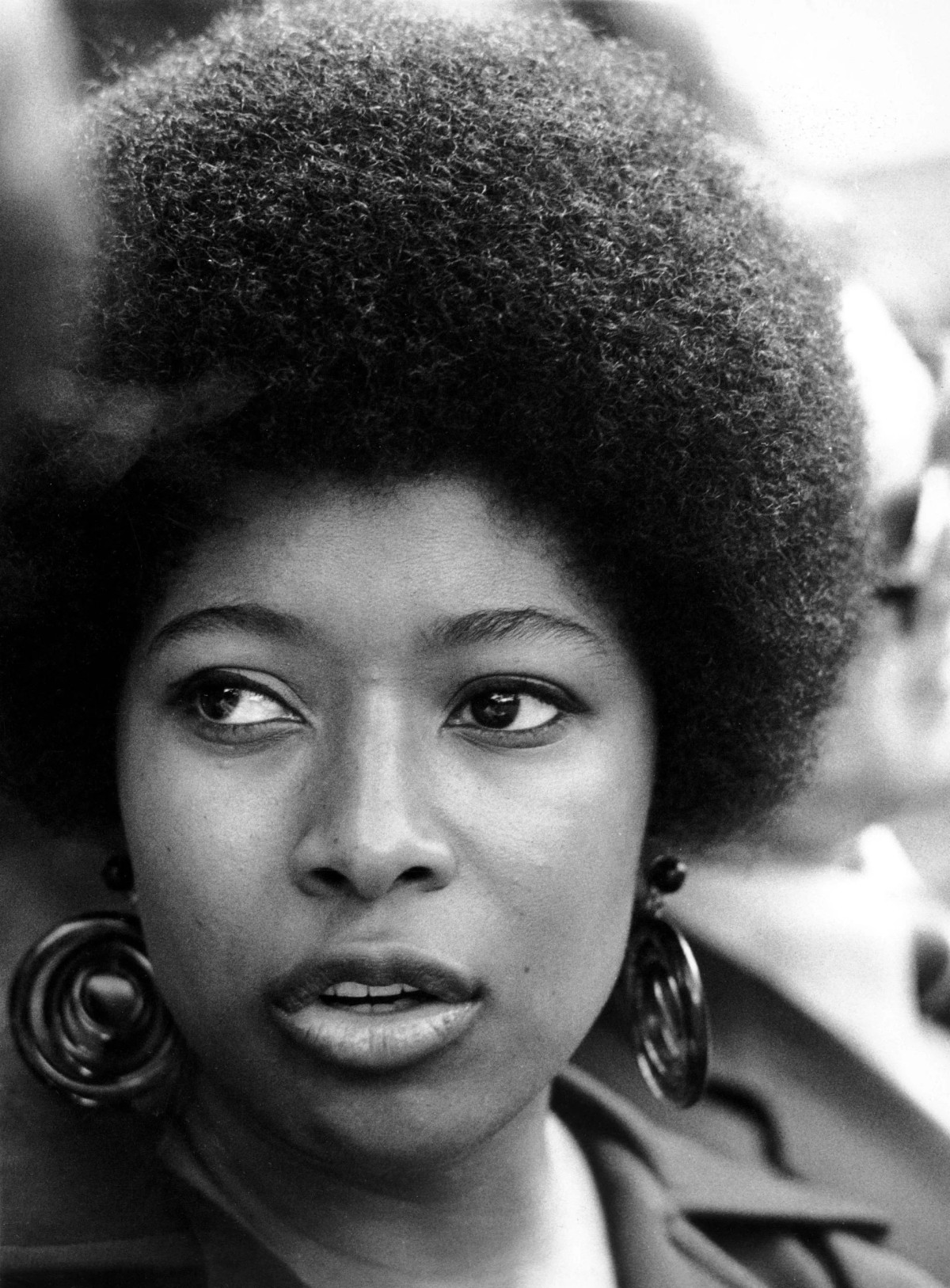
Walker wrote about this journey in Ms. Magazine in 1975, "In Search of Zora Neale Hurston," later renamed "Looking for Zora."
Alice Walker, who once called Zora Neale Hurston "the patron saint of Black women writers," is responsible for reviving Hurston's canon of works.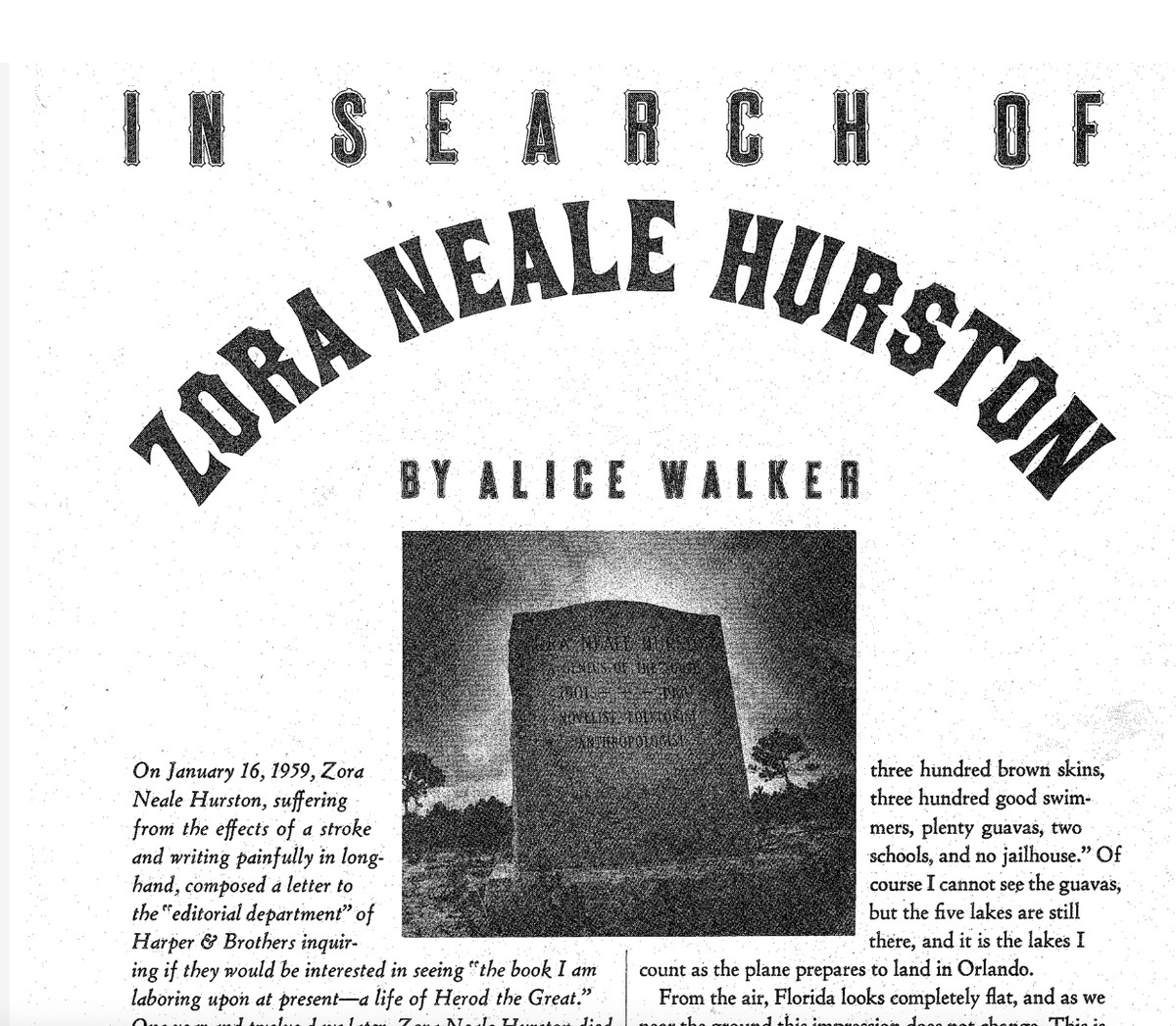
Hurston's 1937 Their Eyes Were Watching God made the NY Times Bestseller list, largely due to Oprah Winfrey producing the television movie of the book in 2005.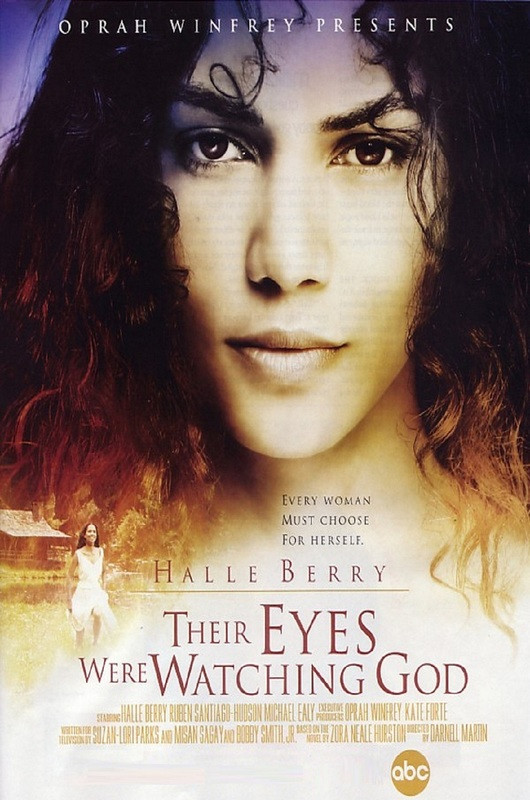
Hurston's petition to Dr. W.E.B. DuBois of a cemetery to bury “the illustrious Negro dead,” so that they didn't “die in inconspicuous forgetfulness,'' which “allows our people to forget…and their spirits to evaporate," was foreshadowing.
What can Hurston's 1945 letter to Dr. W.E.B. DuBois tell us about preserving great Black works and creating an environment where Black writers are not forgotten, especially in their lifetimes?
We must read Black often to remember and keep their spirits with us.
Reading Black often not only prevents Black author obscurity but reconciles and ratifies our life experiences.
Read Black to get
-resounding confirmation,
-a better sense of self,
-comfort,
-insight,
-laughter,
-community,
-surprise, and
-beauty.
We can't predict each challenge we might face, but we can prepare ourselves through the worlds we learn from and take refuge in.
We can fortify our knowing, being, and doing.
We can be inspired, comforted, and understood through Black works.
You must read Black often to focus inward, to examine life at more than a cursory glance.
Reading Black prompts an eyes-wide-open examination, a reckoning through story, a magnification of experience.
In 1928’s How it Feels to Be Colored Me, Zora Neale Hurston said she wasn't mournful about her Blackness, lamenting it:
"I am not tragically colored..."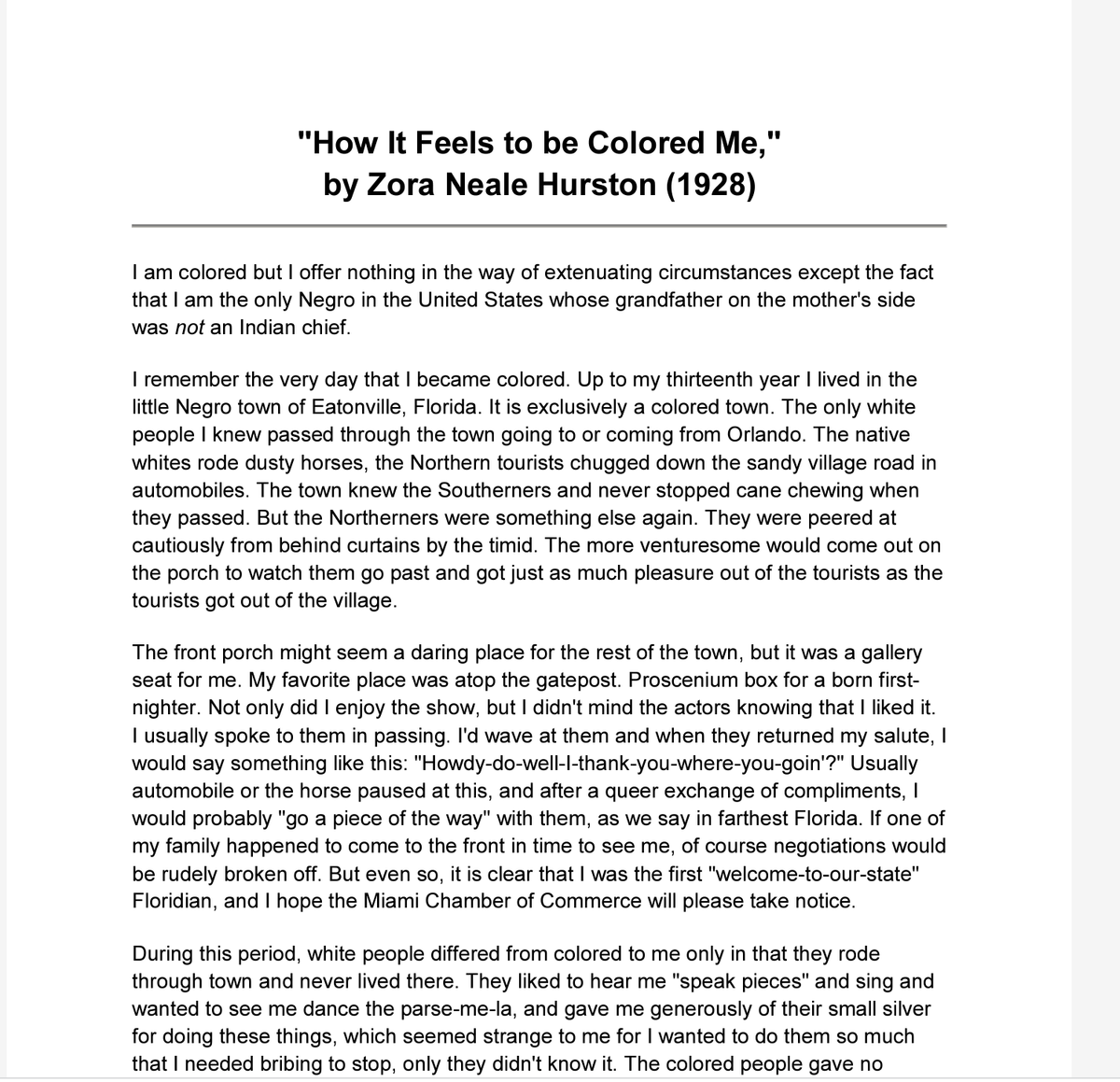
"I do not belong to that sobbing school of Negrohood who hold that somehow nature has given them a lowdown dirty deal. Even in the helter-skelter skirmish that is my life, I have seen that the world is to the strong regardless of a little pigmentation more or less."
You will often lose yourself in this maze of life, and in your hunger for connection, you can find company and self-discovery while reading Black works.
Traverse through sentiment, time, landscape, and movement in Toni Morrison and Alice Walker’s novels.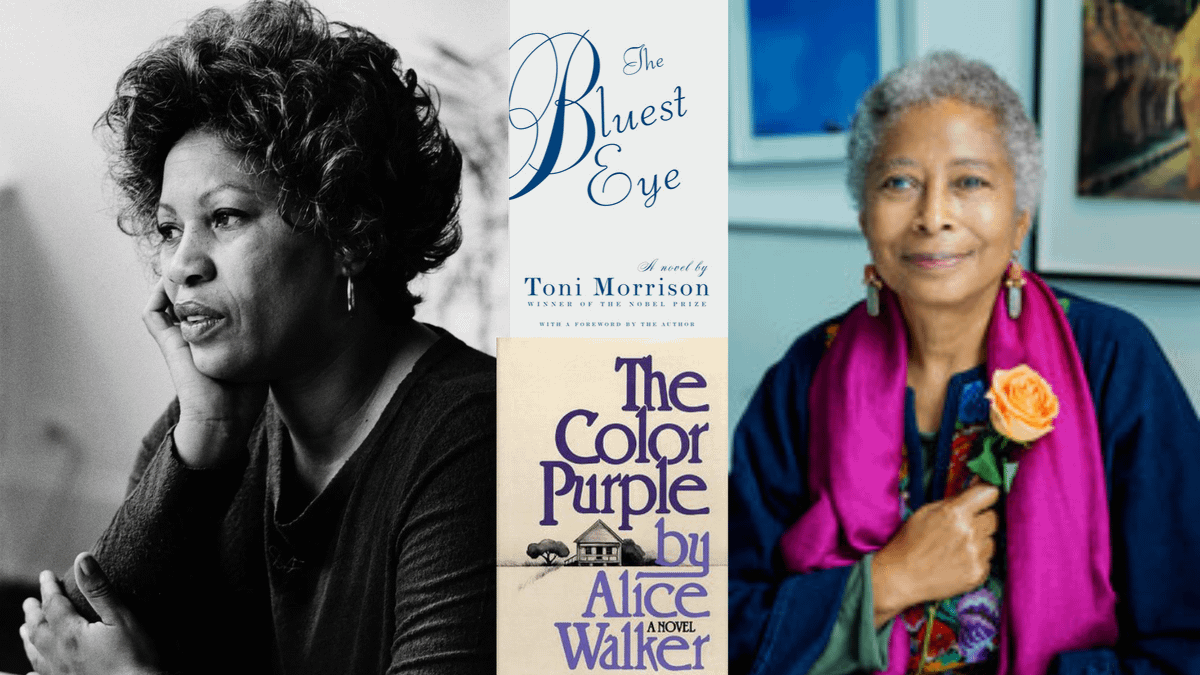
Navigate Octavia Butler’s beautifully textured characters and their rich worlds.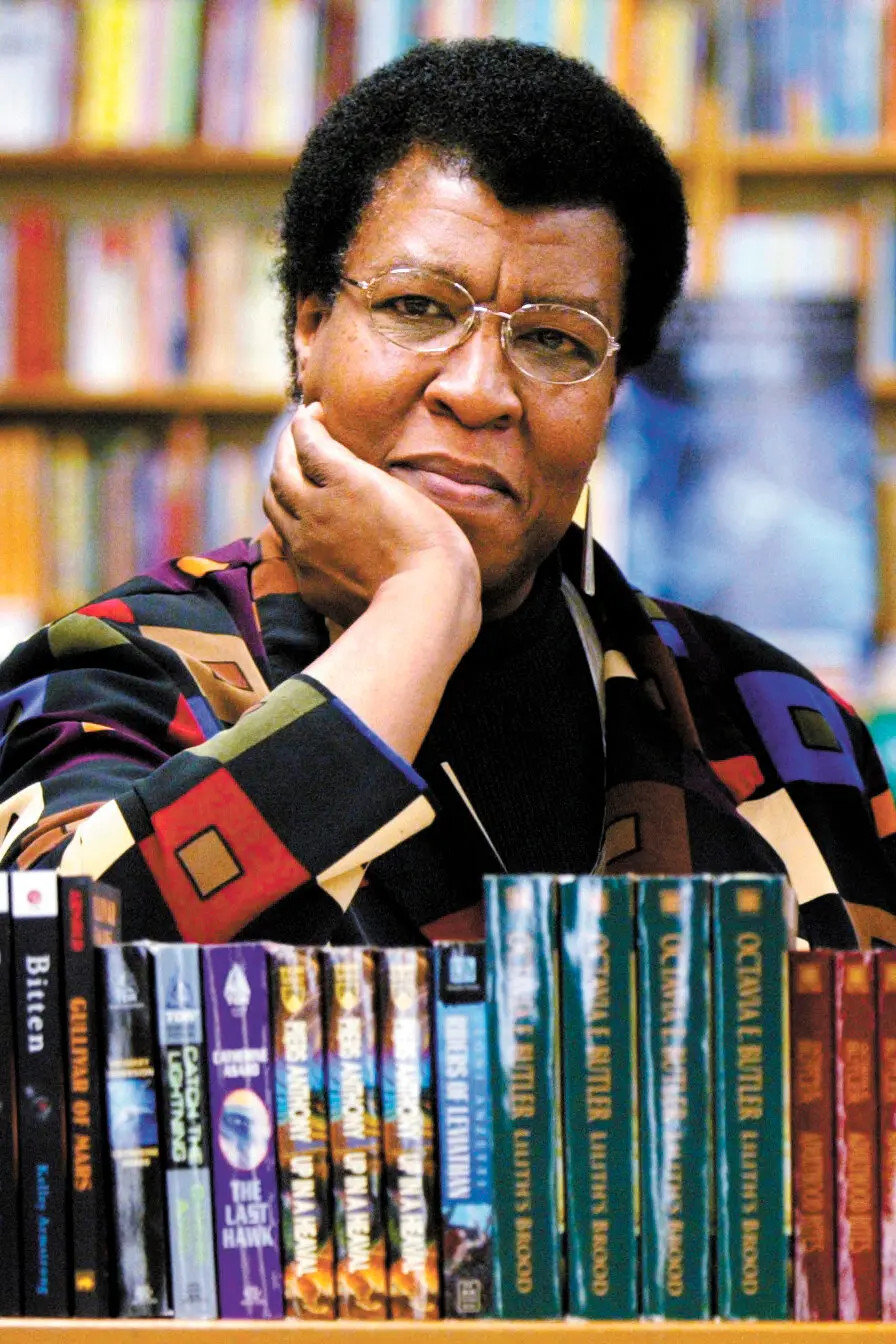
Reflect on a beauty in Blackness that Ta-Nahesi Coates reveals, not unlike that in the canon of James Baldwin’s works.
Hopscotch truth and being in Audre Lorde, Langston Hughes’ and Gwendolyn Brooks’ poems.
Heal through the words of bell hooks/Gloria Naylor/Jesmyn Ward.
Gorge yourself on the truth of Maya Angelou’s wisdom.
Feel the rhythm in the dialect of Eatonville’s residents in Zora Neale Hurston’s novels and short stories.
Explore the distances each character travels in Ntozake Shange and August Wilson’s plays.
Connect history to reality in the works of Lorraine Hansberry.
Chase truth in Ralph Ellison’s works.
Seethe and rejoice with Nikki Giovanni.
Begin and read, read and read again. Read Black often.
A once-in-a-century pandemic provided context for pervasive racial injustice and disparity. While many of us knew and felt and lived this truth behind the veil, the double-consciousness of Blackness that Dr. W.E.B. DuBois wrote about more than a century ago, many had no idea.
Until George Floyd’s last words became a rallying cry, the need to read Black often was not readily apparent.
This thing that we struggle through, seek meaning from, and try to build resilience and betterment out of can be understood through the prism of Black writers.
Black authors offer insights already embedded. Born from the belly of a mother country, already hating them, still building pride and understanding, and searching for wisdom and meaning in their experiences.
Unlocking that understanding is as simple as turning the page
Life’s matrix is rendered incomprehensible without the gift of Black literary works.
We use them as guides, medicine, and starstuff for alchemy.
They serve in good times and bad.
Read Black often to resurrect and to remember.

Dekera G. Rodriguez
@dekerag
Storyteller and Writer @ Core 2 Perimeter and Cents of Security. Bylines in Business Insider, HuffPost, Entrepreneur, AskMen, Thought Catalog, Thrive Global etc