Compendium #Thread
Bharat was MARITIME leader since antiquity. Latest Sigillography, Carbon-Dating findings are enough to force revision of our textbooks.
India dominated International TRADE around 3000 BC.
Please read on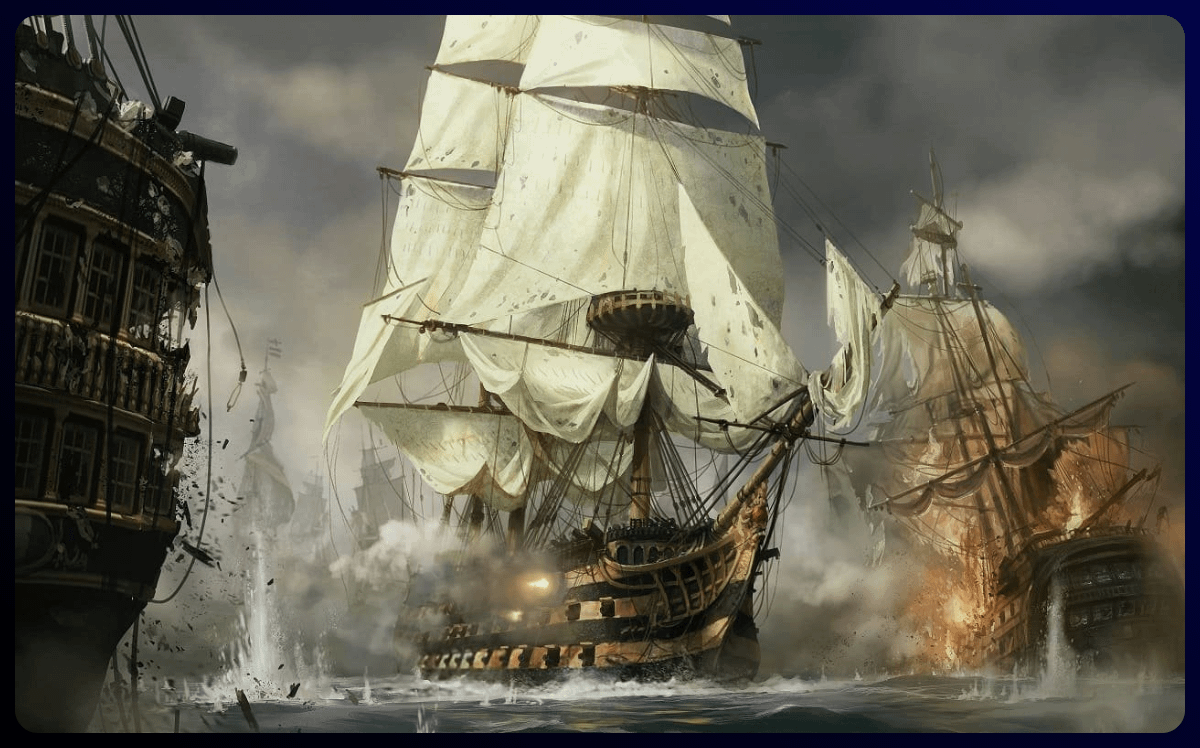
The very word Navigation itself is derived from the Sanskrit word ‘Navgatih’ नवगतिः (नव+गति:)
Common Sanskrit words relating to maritime are नाव बंधन कीलः (Anchor) वाता वस्त्रः, सतूला भागः (Hull), केनी पातः, कूपदण्डः, नवातालः,वृत्तासंघभागः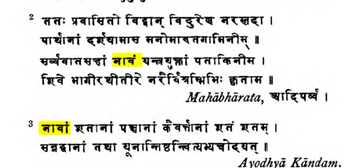
Evidences of Indian traders in Mesopotamia :
Top:Shu-ilishu's Cylinder seal showing Indus language interpreter sitting on lap of Mesopotamian figure
Bottom : another Mesopotamian seal with Indus script and animals 3000 BCE
t.co/bKnH9MlvK4
t.co/ncQdIUWnZV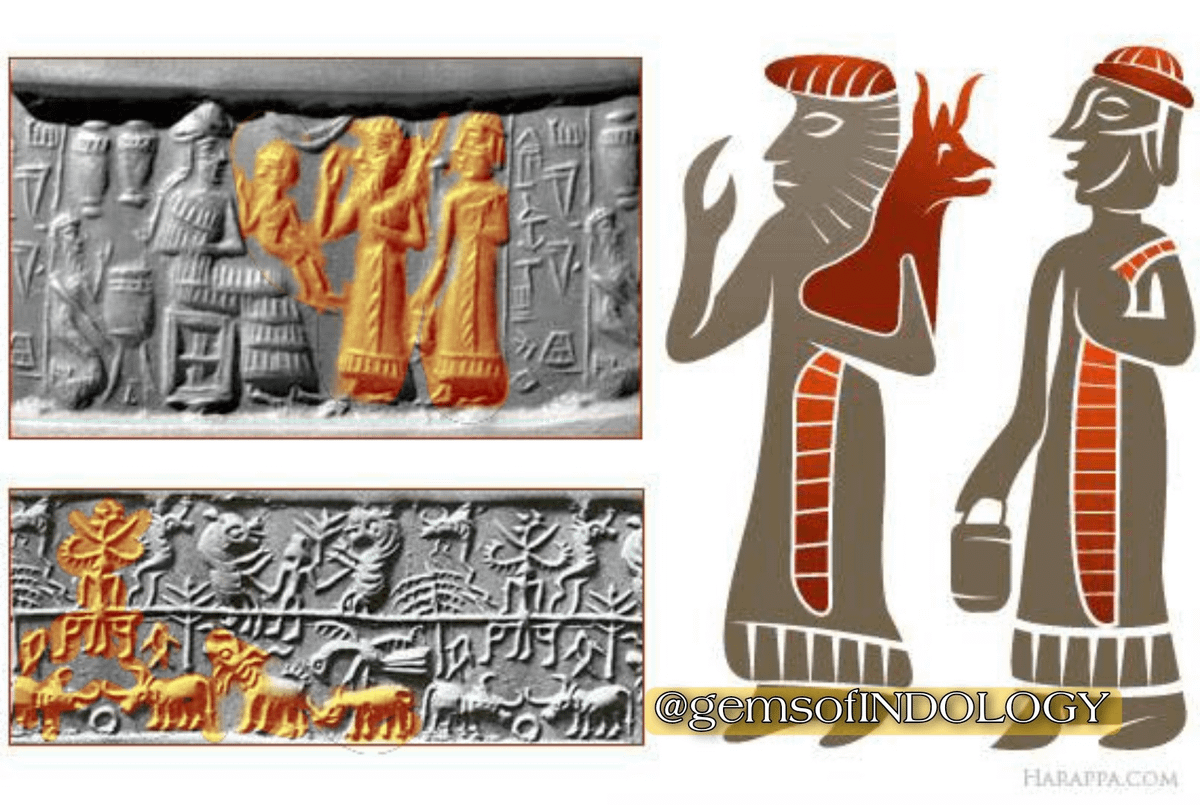
#Mesopotamian Seal made of 'Lapis Lazuli' found in Indus Valley depicts a 'Priest King' on a boat along with one 'Bull' carrying an alter and 'merchandise' to sell
Uruk.
ca. 3300-3000 bce
#Archaeology
archive.org/details/ArtOfTheFirstCitiesTheThirdMillenniumB.C.FromTheMediterraneanToTheIndusEditedByJ/page/n505/mode/1up
twitter.com/GemsOfIndology/status/1547613267534626819
Evidences of Influence of Indus on Mesopotamia evident from latter's seal.
Seal 1: feeding water to buffalo(not naturally found in Mes)
Seal 2: Akkadian cylinder seal with inscription: "Shu-ilishu, interpreter of the language of Meluhha"
louvre.fr/en/oeuvre-notices/cylinder-seal-ibni-sharrum
#Archaeology
The unique designs, Masts were mastery of Indian Ship manufacturers. The ships were double hull to withstand typhoons. Here are few seals from Lothal and Mohenjodaro
5kybp
researchgate.net/figure/Clay-model-boats-have-been-found-from-Lothal-excavations-Figure-1-Figure-showing-the_fig4_321418755
twitter.com/GemsOfIndology/status/1579457379506483200?s=20&t=fncm6oIqnbjOspA8QV8FjQ
#Archaeology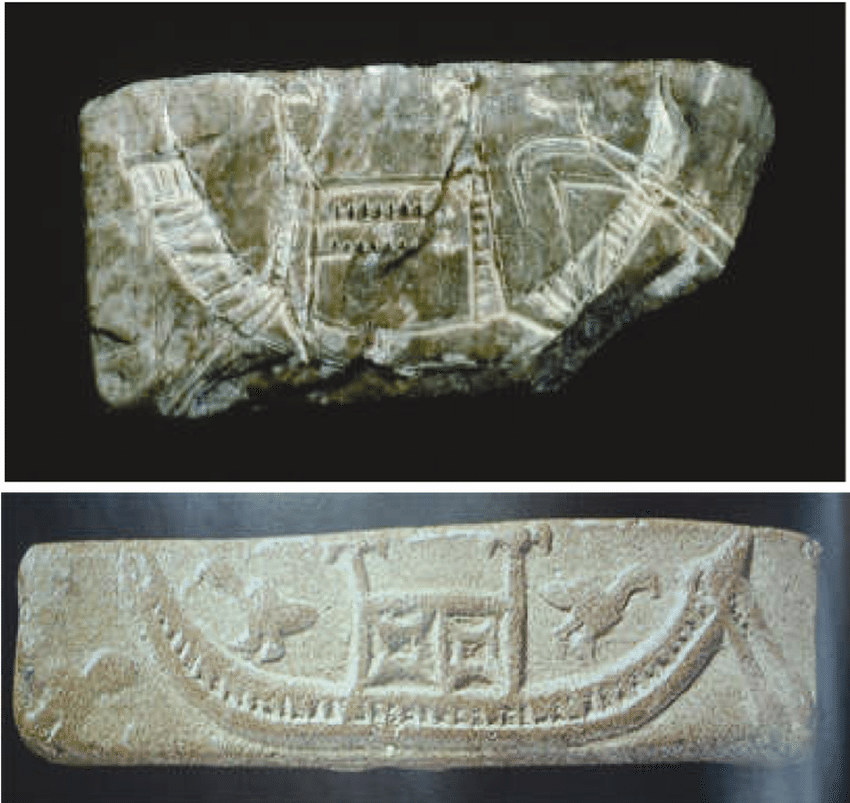
At its zenith, Indus were 5 Million 20x of Mesopotamia were 0.3 Million.
Indus (Meluha), Masan (portions of Oman, UAE, Iran), Dilmun (portions of Dammam, Bahrain, Qatar) were trading partners with Mesopotamia.
Imagine GDP of India at that time.
#Archaeology
Geometrical knowledge existed ~3000 BC much before Sulbasutras of ~1000 BCE (see patterns)
A #COMPASS was found at #Lothal used for Navigation system 5000 years ago.
A bead factory was also discovered at #lothal
twitter.com/GemsOfIndology/status/1542343030060961792?s=20&t=NKnS2KGP388AM_QDJzJM9A
#Archaeology
Some of the Indus articles found in Mesopotemia excavations.
#Archaeology
#Lothal was well planned dock (discovered in 1954) and one of the ancient sites of Harappan culture, It was well ahead of its time. It was a linking maritime commerce route to Mesopotamia around 2k-3kBC.
twitter.com/GemsOfIndology/status/1543238765506105344?s=20&t=NKnS2KGP388AM_QDJzJM9A
#Archaeology
Critical Ship building technique is use of KEEL (to stabilize) ships.
This technique was missing in earlier Ships from Mesopotamia this came from Indus civilization. britannica.com/technology/keel-ship-part
#Archaeology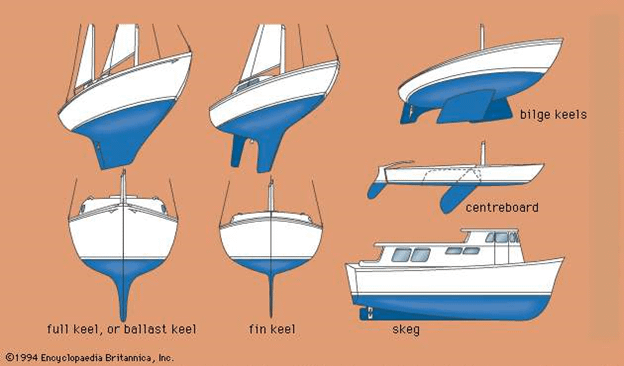
Indian ships were famous for no iron joints/Edge Joining (i.e. no iron nail in the ship). They used a natural property of Wood expansion when soaked. What they call is 'Mortise and Tenon Joinery'
#Archaeology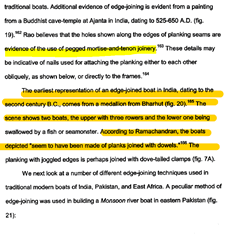
Medallion from Bharhut, depicts 3 man on ship in the sea, where external portion of ship is swallowed by giant fish and internal portion remains intact
#Archaeology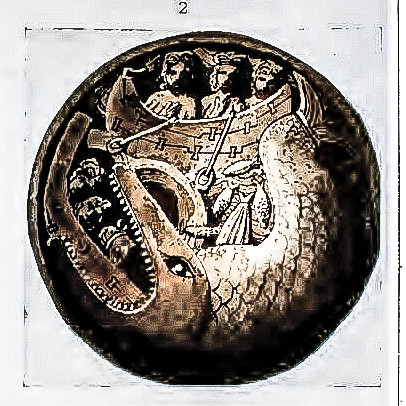
Seals with sea-faring ships found in CHandraketugarh, W. Bengal, Bharat dates c. 200 bce
twitter.com/GemsOfIndology/status/1574232042753396738
#Archaeology
Greeks, Europeans and Egyptians knew Indian ports and Products during 3rd BCE-2nd CE
twitter.com/GemsOfIndology/status/1589862092387254272?s=20&t=NKnS2KGP388AM_QDJzJM9A
#Archaeology
Pandyas & Madurai were well known to the Greeks and Romans (Megasthenese, Strabo 25BC, Pliny 75 AD Ptolemy 130AD mention of Madurai).
#Keeladi an excavation site fr Madurai speaks ths
twitter.com/GemsOfIndology/status/1293005345384792064?s=20&t=NKnS2KGP388AM_QDJzJM9A #Archaeology
#Archaeology
According to a study by the
@CSIRNIOGoa
, Indians had knowledge of harnessing monsoon winds for navigation long before Hippalus, the Greek mariner and acclaimed discoverer of monsoon winds
economictimes.indiatimes.com/news/science/navigation-began-in-india-indus-valley-indians-used-monsoon-winds-for-sailing/articleshow/61912277.cms?from=mdr
#Archaeology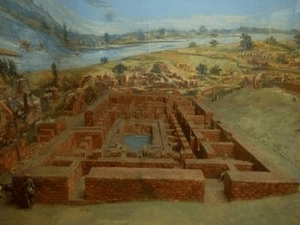
Recent DNA study of samples taken from 2500 BC indicates that the mtDNA which arise in Indian subcontinent is still present in inhabitants of today's while it is extinct in habitants of Mesopotamia.
journals.plos.org/plosone/article?id=10.1371/journal.pone.0073682
twitter.com/GemsOfIndology/status/1551195005426864129?s=20&t=oIlP8SPjMFXWlioqT1D36g
#Archaeology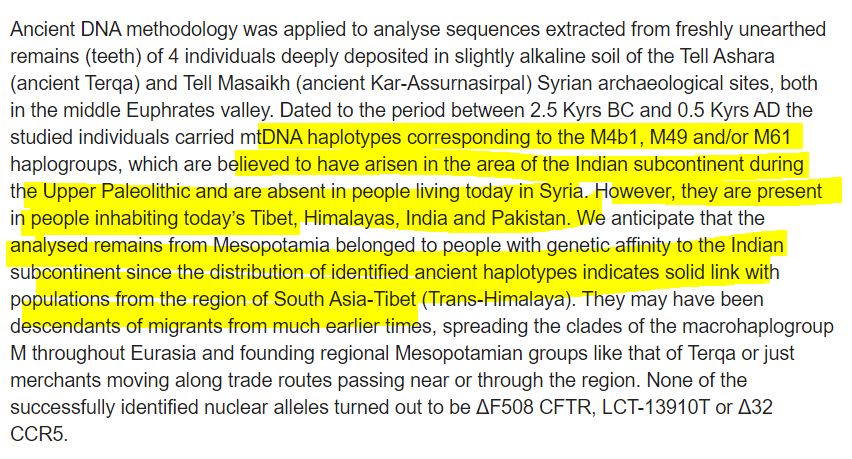
As per Kenoyar has reason to believe that Indus were living in UR working as agent or running local shops to handle large volume of business.
Textual evidences suggest that 4272 Meluha women worked as weavers in Guabba village.
#Archaeology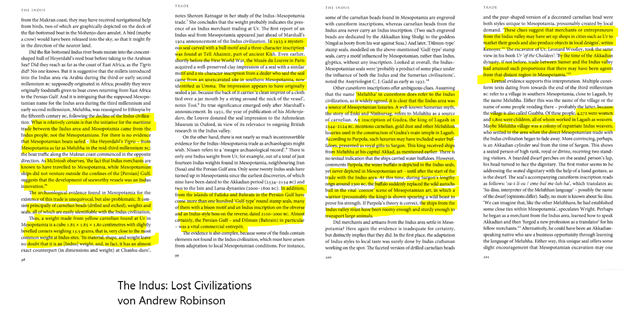
This dedicate thread covers Indus Script found out of India dating 3-2 kybp
twitter.com/GemsOfIndology/status/1294054297903259650?s=20&t=oIlP8SPjMFXWlioqT1D36g
#Archaeology
543 BC, Prince Vijaya with 700 followers sailed to Ceylon and became King later.
Mentions of Big ships in Jataka volume IV.
Alexandar army returned on ~1000 ships which were made in Sind.
britannica.com/place/Sri-Lanka/History#ref388477
#Archaeology
321-297 BC, Chandragupt Maurya created NAVAL Department and defined duty structure for import and exports.
#Archaeology
200 BCE-250 CE: Andhra Period: Trade with western asia, Rome, Egypt, China was prospering. Roman coins were discovered in Southern India. Indicating trade directions.
#Archaeology
There is a famous cave named HOQ in Socotra (Island), Yemen. Indian Mariners use to inscribe in Kharoshti on the wall of the cave. Trident symbol, Hindu names can be still be found on its wall. Indian Sparrow Goraiya is found here
twitter.com/GemsOfIndology/status/1376185592472461316?s=20&t=oIlP8SPjMFXWlioqT1D36g
#Archaeology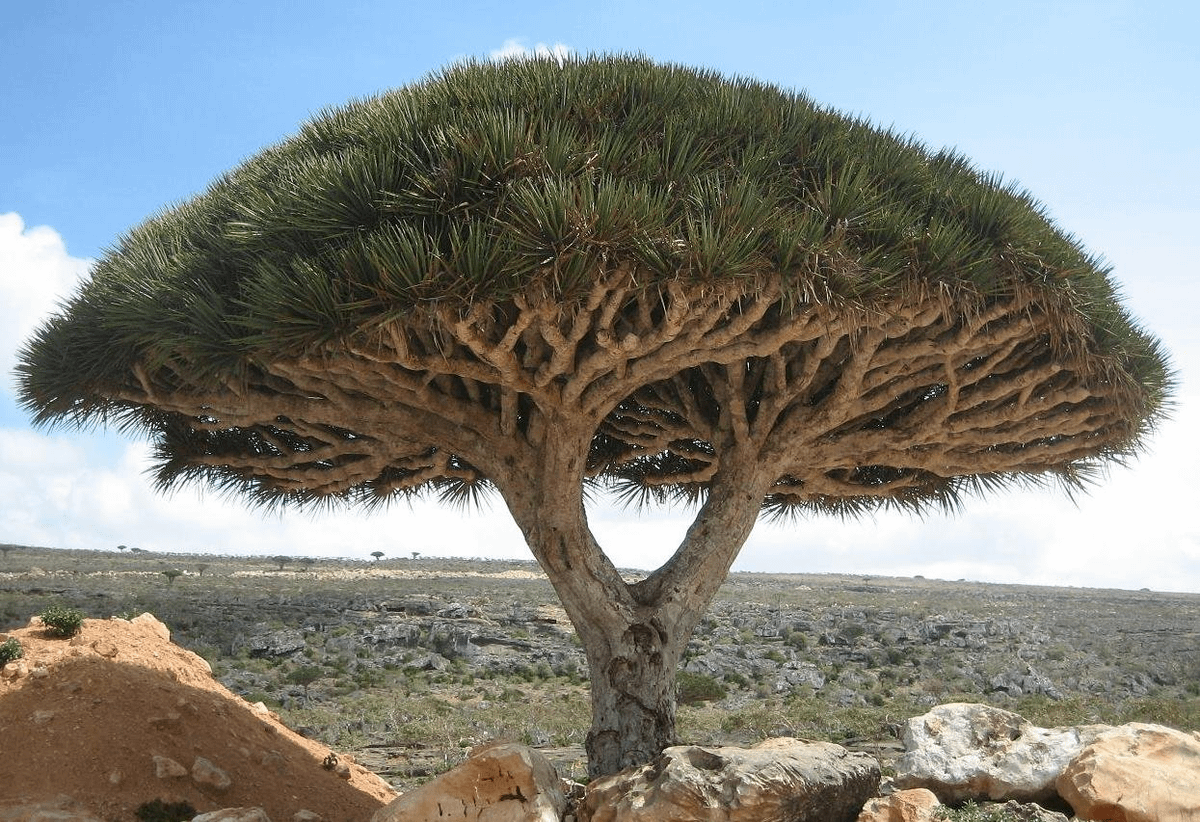
Aryabhta & Varahamihir, mapped the positions of celestial bodies, developed a method of computing a ship's position.A magnetic compass was being used around the 4-5th cent.CE (Matsya Yantra), with iron fish that floated in a oil vessel
indiannavy.nic.in/content/early-history
#Archaeology
Between 5-10th centuries AD, the Vijaynagaram and Kalinga were ruling over Malaya, Sumatra and Western Java.
The daily revenue eastern regions in 844-848 AD was estimated at 800 KG gold.
#Archaeology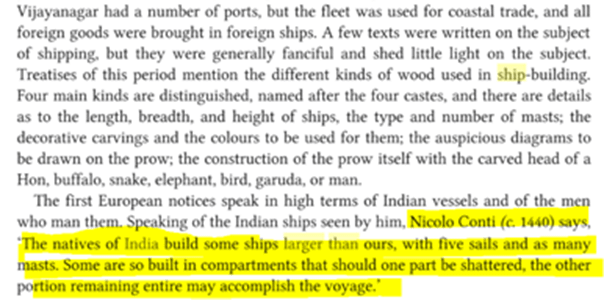
Indian traders sailed through Madagascar islands millennium ago. Latest studies published shows high concentration of Asian rice, mung bean and Asian cotton on islands enroute
pnas.org/doi/10.1073/pnas.1522714113#fig02
twitter.com/GemsOfIndology/status/1519145595889664005?s=20&t=NKnS2KGP388AM_QDJzJM9A
#Archaeology
In 1292 AD, Marco Polo described Indian ships as " ...built of fir timber, having a sheath of boards laid over the planking in every part, caulked with oakum and fastened with iron nails.
#Archaeology
From Journals of Voyage of Vasco Da Gama,
Manuscripts 👉 wdl.org/en/item/10068/ which mentions that Indian ships were as large as 800 Tonnes. (Note Vasco's Ship was 100 Tonnes)
#Archaeology
During 17th century, Shivaji Maharaj owned formidable naval fleet with several docks.
in 1698, Conajee Angria took over the command of Maratha fleet and never look back until his death 1729. Thereafter Shambooji and Toolaji carried over the glory till ~1755
#Archaeology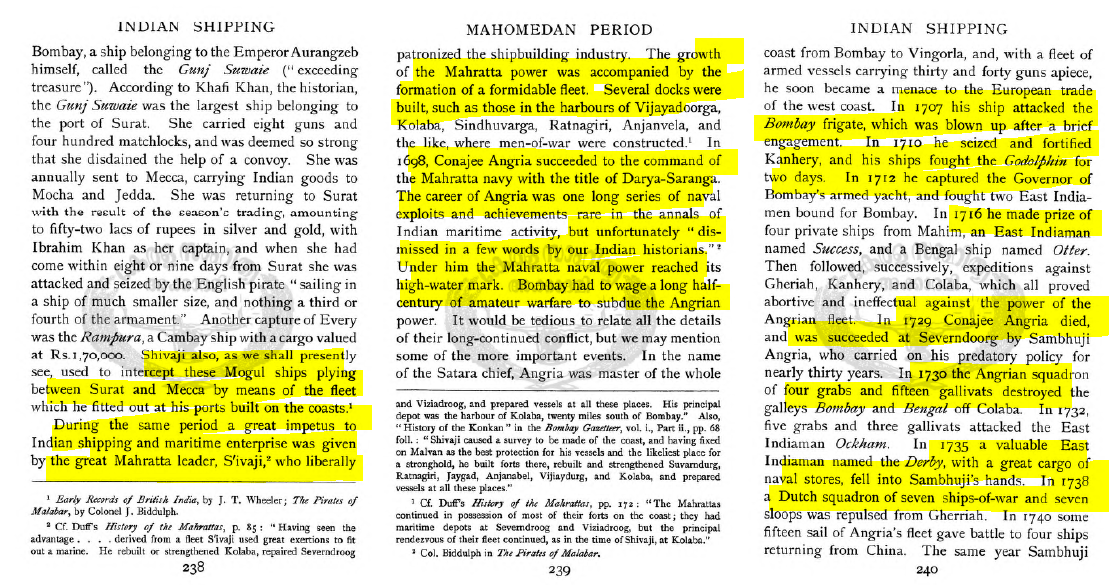
1529 marks decline of Indian maritime power with the arrival of Portuguese
They imposed a system of licence for trade
The harbour finally ceded it to the British in 1662, under a marriage treaty b/w Charles II and Catherine of Braganza
indiannavy.nic.in/content/early-history
#Archaeology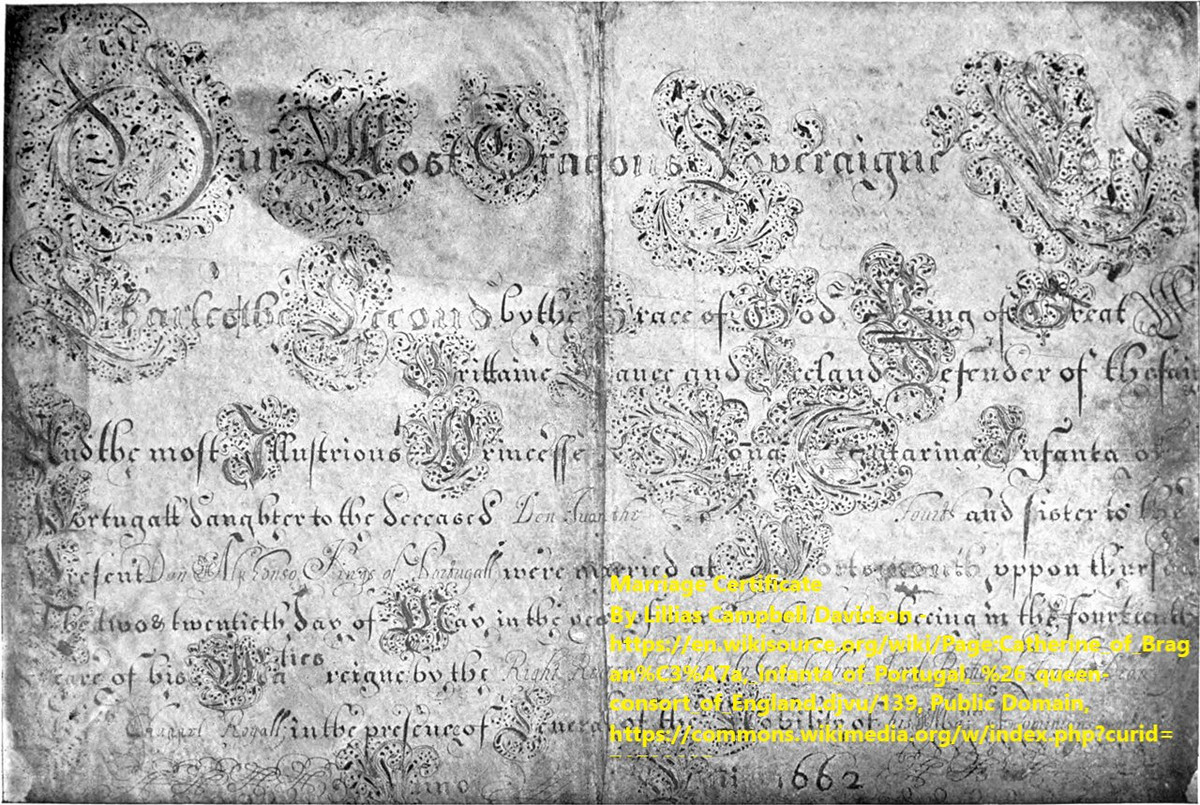
Despite western domination, Indian shipbuilders continued to produce Ships displacing 800 to 1000 tons superior to their British.
Agitated British shipbuilders on the River Thames protested against the use of Indian-built ships.
indiannavy.nic.in/content/early-history
#Archaeology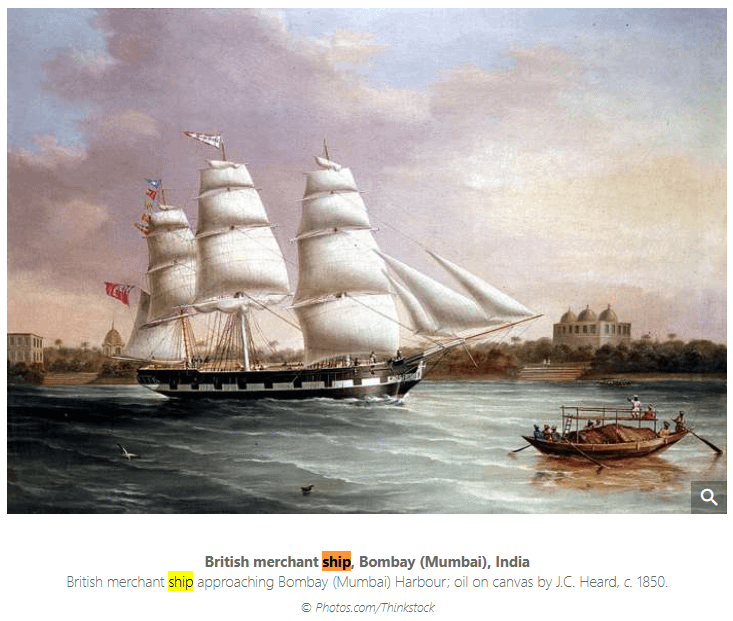
Consequently active measures were taken to cripple the Indian industry. Nevertheless, many Indian ships were inducted into the Royal Navy, such as HMS Hindostan-1795, the frigate Cornwallis-1800, HMS Camel-1806 & HMS Ceylon (1808).
A LEADER was decimated by colonisers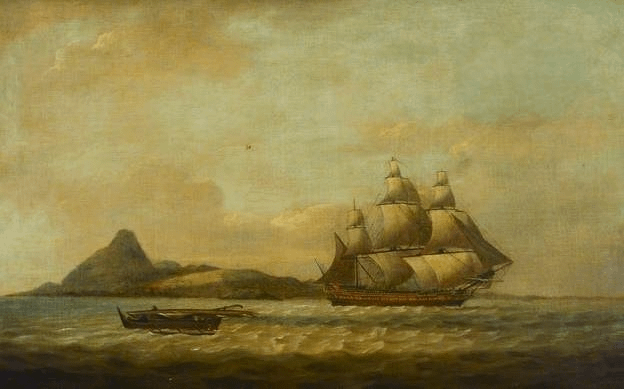
GemsOfINDOLOGY
@GemsOfINDOLOGY
In Centre, busting both Raita and Lafda wingers coz they both hide truth. You can help me patreon.com/gemsofindology