For ChatGPT Plus users (i.e. the $20 a month subscription) I've found o3 to be incredibly powerful when used to its strengths. In this thread, I'll explore some uses for o3, including for an academic workflow, and suggest why o3 should be your first choice of model.
Why use o3? First, it's a reasoning model, so generally gives you well considered outputs from sensible prompts. Second, you can request multiple outputs from a single prompt, so it makes use very efficient.
ChatGPT increased the usage limits for o3 recently, so this is now up to 100 requests per week. That won't be enough for everyone, but use 14 requests per day sensibly for the best results. Thinking another way, if you make 400 requests per month, that's only 5c each.
If you run out, you can still get 300 messages per day from o4-mini-medium and 100 messages per day from o4-mini-high.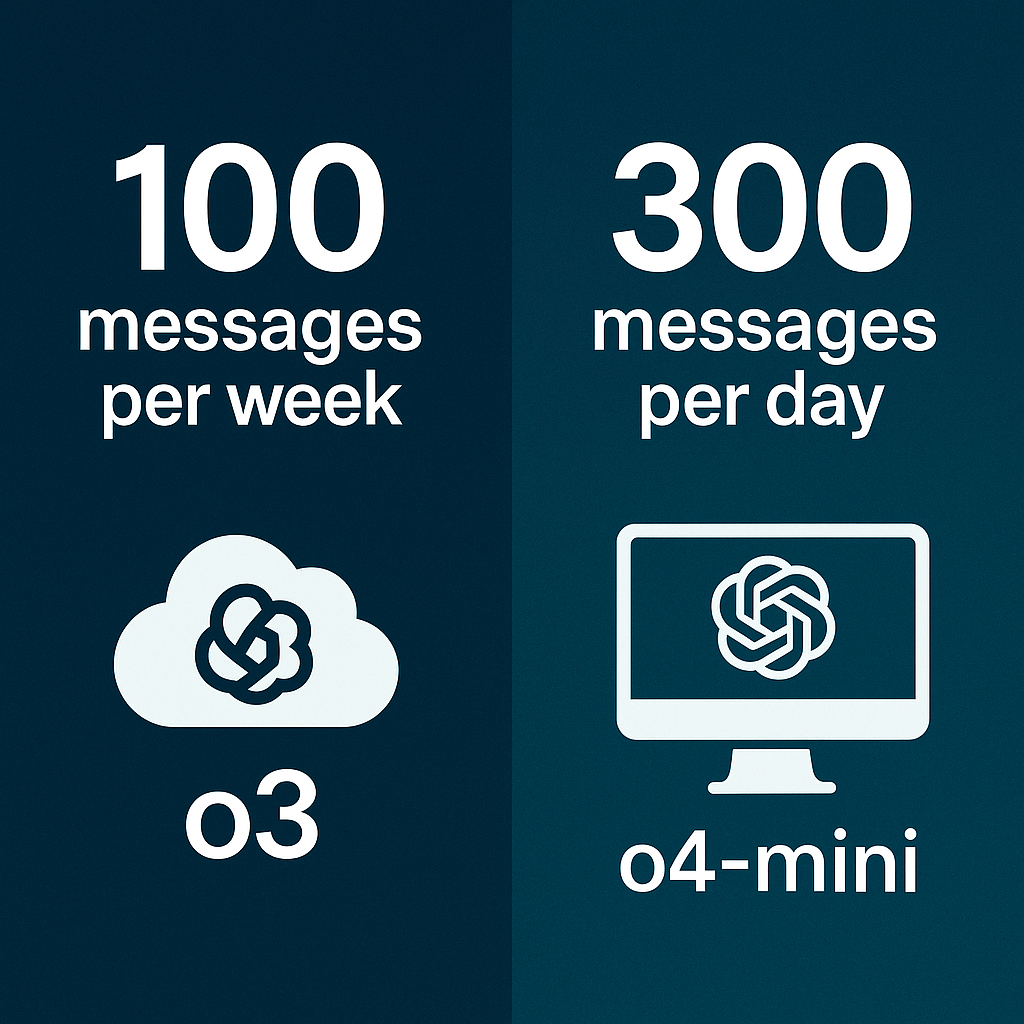
So, what are the best practices? First, optimise your prompt. You can use o3 for this purpose (just tell it what you want to accomplish and ask it to improve it), perfect if it's a prompt you'll use regularly. If not, put this request through o4-mini-medium or o4-mini-high.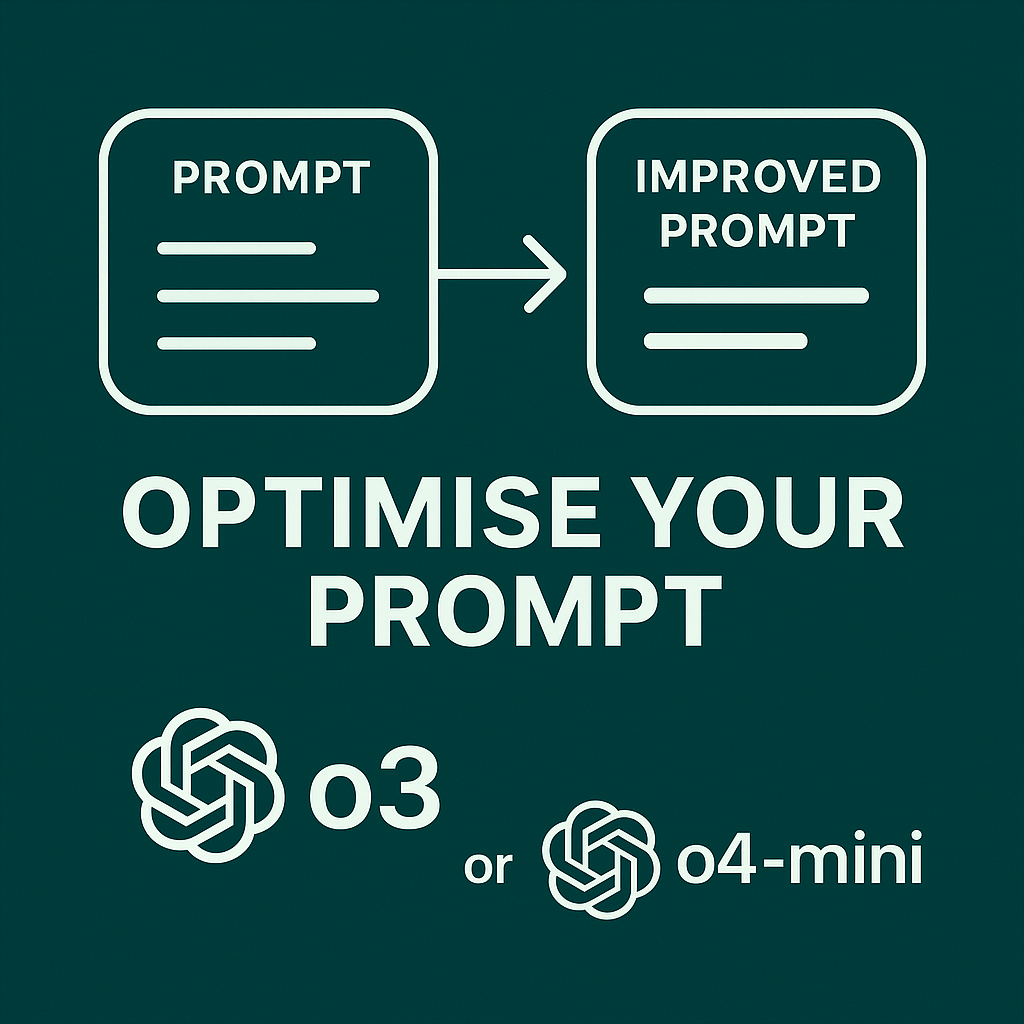
You can also save money by sampling tasks with o3 and and o4-mini model. Compare the results. If o4-mini is close to o3, use that instead for efficiency gains and save o3 for when it matters.
I find o3 works best if you ask for a series of linked outputs from a single request. Ask it to answer a question, then to produce an infographic based on that answer, then to run code and turn the answer and graphic into a PDF, for example, but you can chain more requests together.
I also like using o3 to give me options. Ask it for five different versions of the answer, each optimised for a different audience or around different hooks. Or multiple image versions to choose from.
Which brings me onto images. One prompt can be used to generate multiple images. I find up to 8 works well to start, but rate limits may kick in after a while. Ask for images based on different sections of a longer text, or for ChatGPT o3 to mock up different samples to compare.
One hint to improve accuracy is to use self-reflection. At the end of a complex query, ask o3 to explain its reasoning briefly and check for errors. That will get you better results in many cases.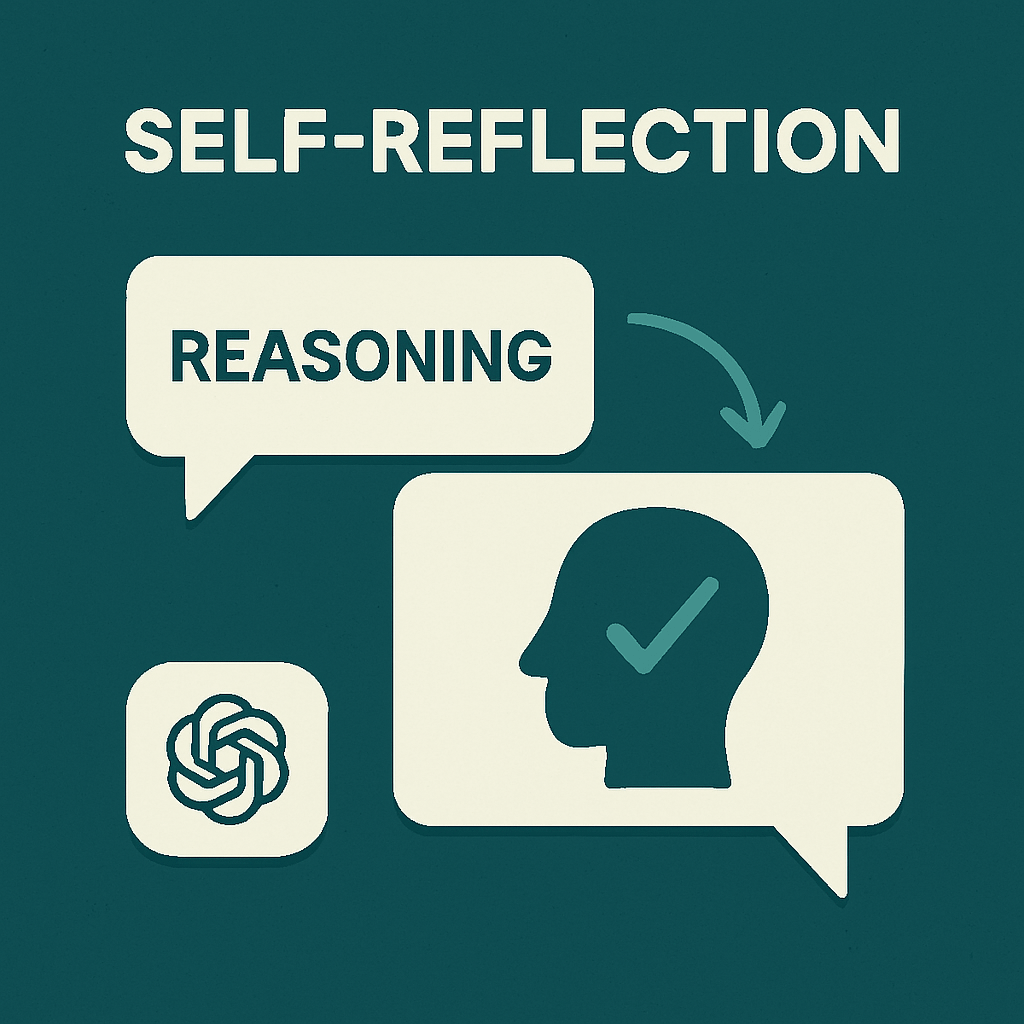
For longer prompting sessions, I recommend keeping notes about your requirements in a separate local file. For instance, you might include key definitions, or your preferred output type. Add that back to the prompt every 3 or 4 messages to keep things on track.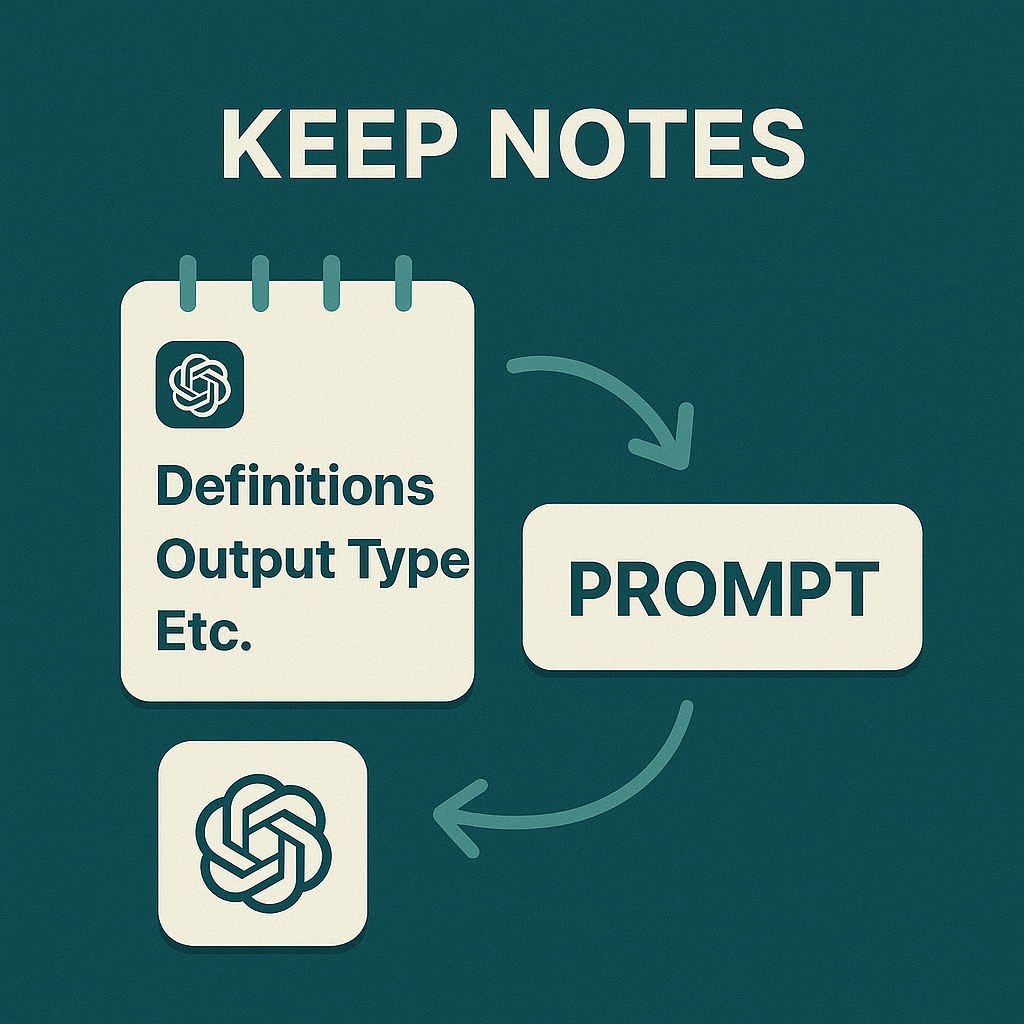
Now, reasoning, checking and incremental development does make o3 very good at producing written documents, such as essays, when prompted well. There are academic integrity concerns there, so I mention this more as a warning, but students may approach o3 for essay planning instead.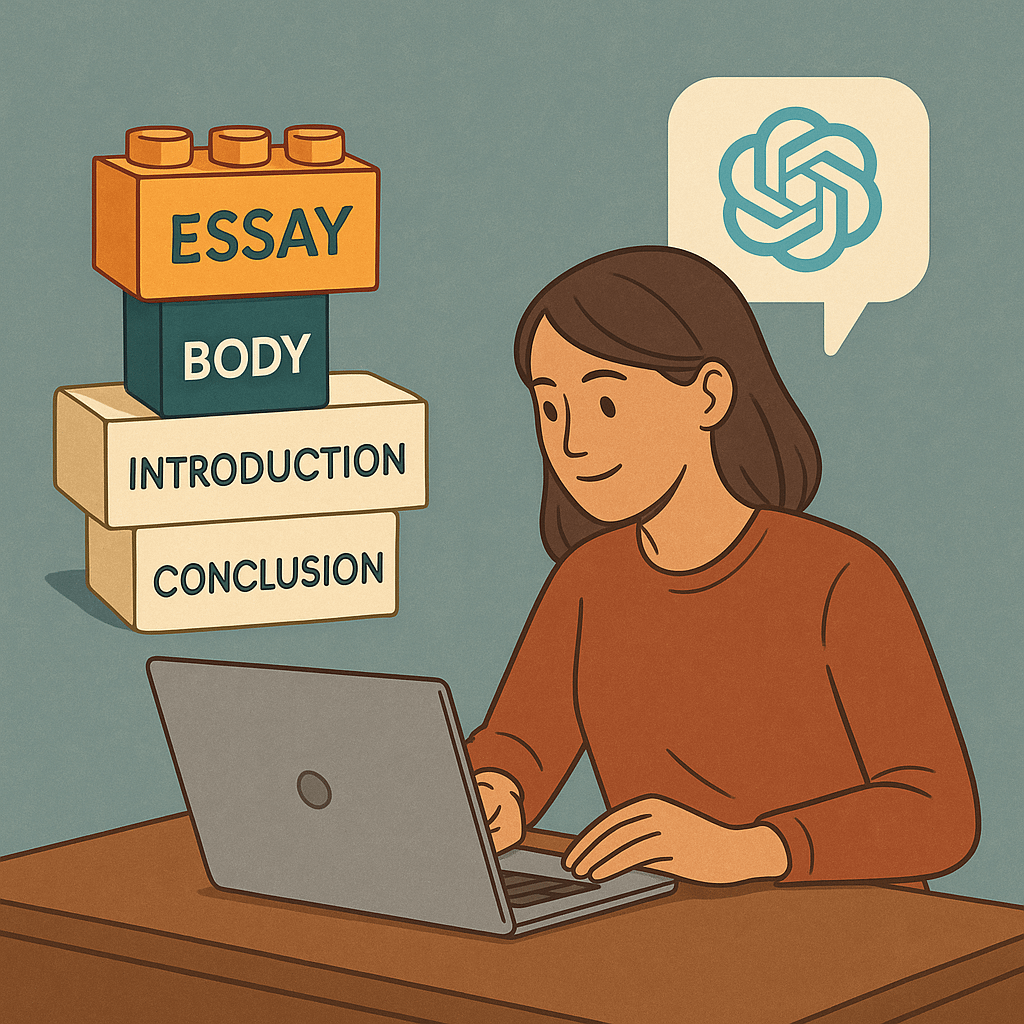
For instructors, ChatGPT has told me that o3 is very good at marking to rubrics and providing criterion aligned comments. I have not tested this, but it is a model set up to process in bulk. Please use this observation ethically.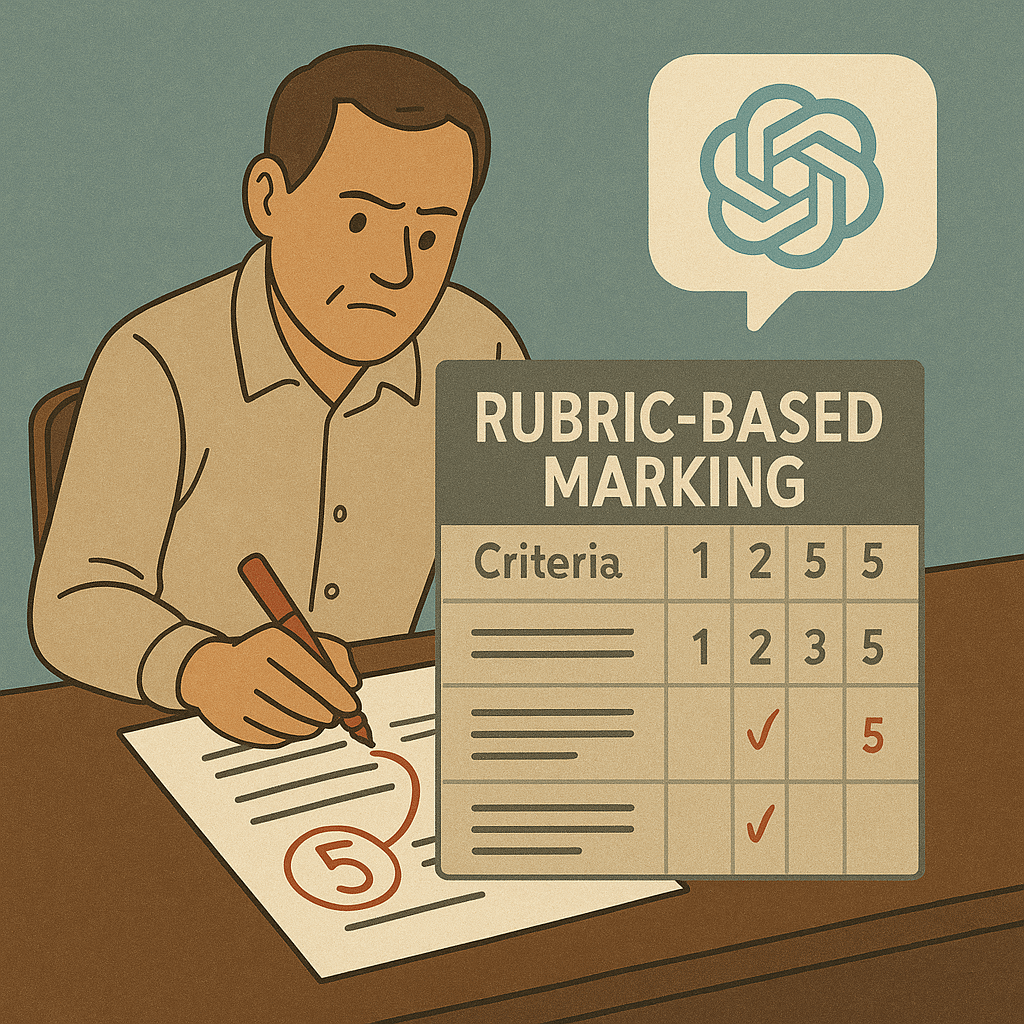
ChatGPT has also recommended o3 for citation checking, going through reference lists to verify DOIs and page numbers, for examples. There really should be no reason to every have hallucinated references.
o3 can also be used to develop detailed teaching modules. Think, not only the structure, but also learning outcomes for each module, review questions, even pain point hooks to encourage students to engage.
How about mathematical proofs? Being a reasoning model, o3 can be used to check proofs line-by-line, or in a teaching capacity, revealing an answer one line at a time.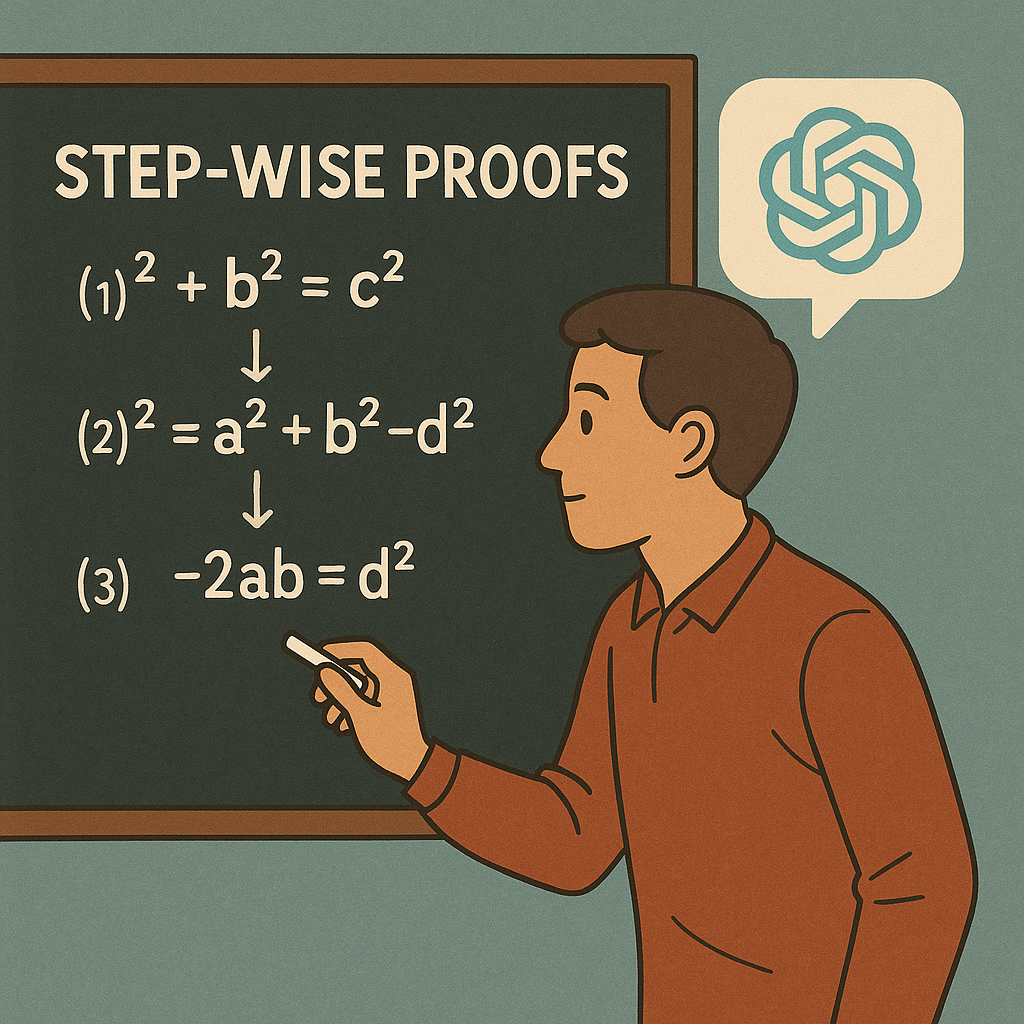
How about an advanced tip? Provide colour scheme details to help o3 stay on brand. This is also a useful tip for marketing students, or anyone wanting to spin off a business. You can also embed your current assets as images and let ChatGPT derive the preferred branding directly.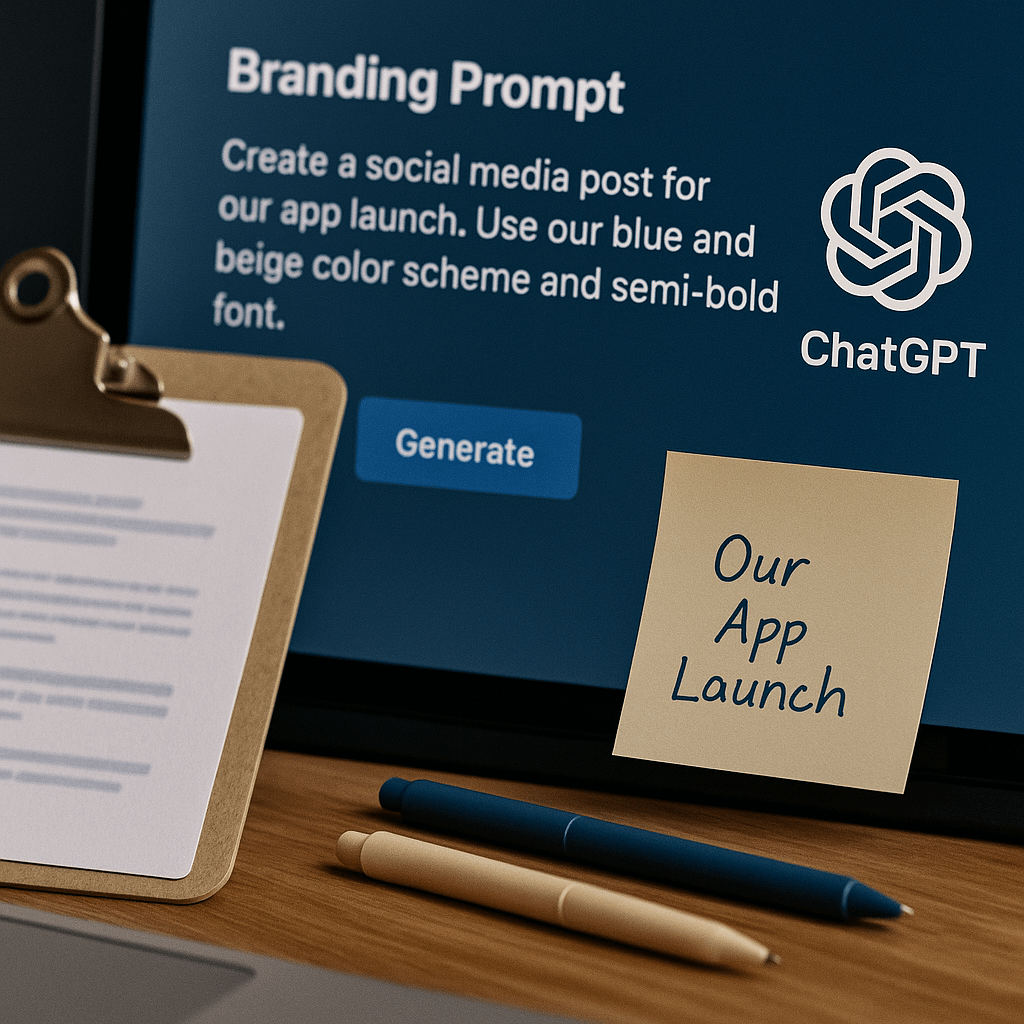
ChatGPT o3 is powerful. Keep a copy of what works for you in a prompt library. Make requests as a batch for maximum efficiency. Or simply use the longer focus to maintain consistency, perfect for academic workflows. Do try using o3 in place of other models, if you've not done so already.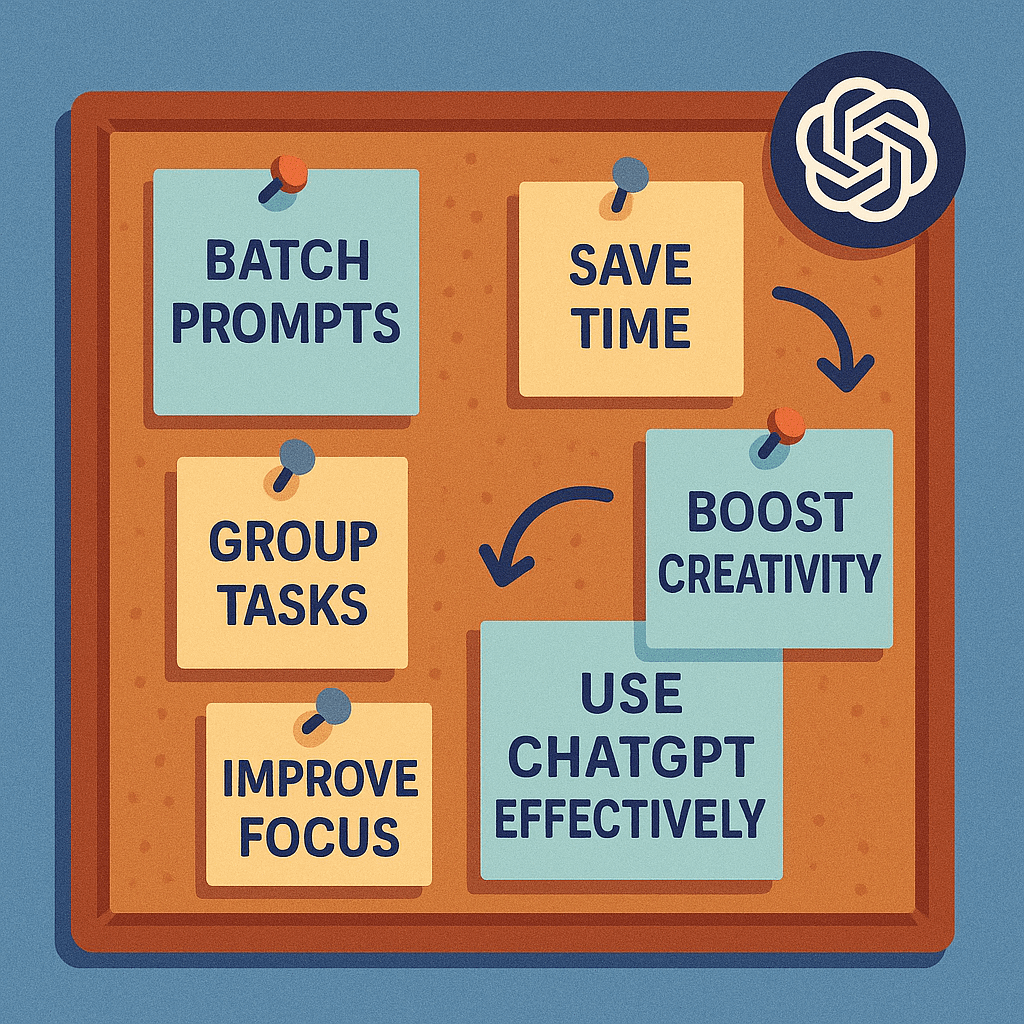

Thomas Lancaster
@DrLancaster_1
Computer Science academic. Technology and generative AI enthusiast. Known for research into academic integrity and contract cheating.