1/12 New report from @BillyBostickson and DRASTIC challenges natural origin.
SARS-CoV-2's spike protein has molecular footprints — a lost glycan shield and an inserted furin cleavage site — that point to lab adaptation, not nature.
@SenRandPaul
2/12 🔒 The glycan puzzle:
In bat/pangolin viruses, this glycan shield at position N370 acts like a "latch" keeping the spike closed to survive their stomach acids, which favours fecal-oral transmission.
@HansMahncke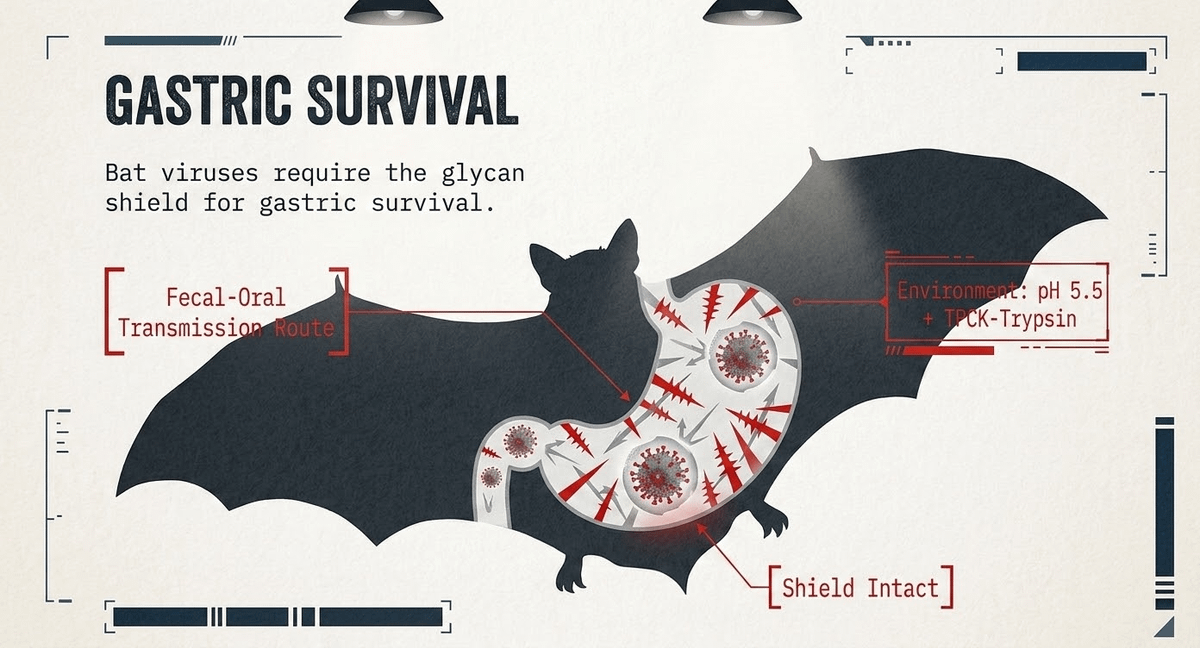
3/12 SARS-CoV-2 lost it via the T372A mutation.
Result: spike more open, easier human cell infection.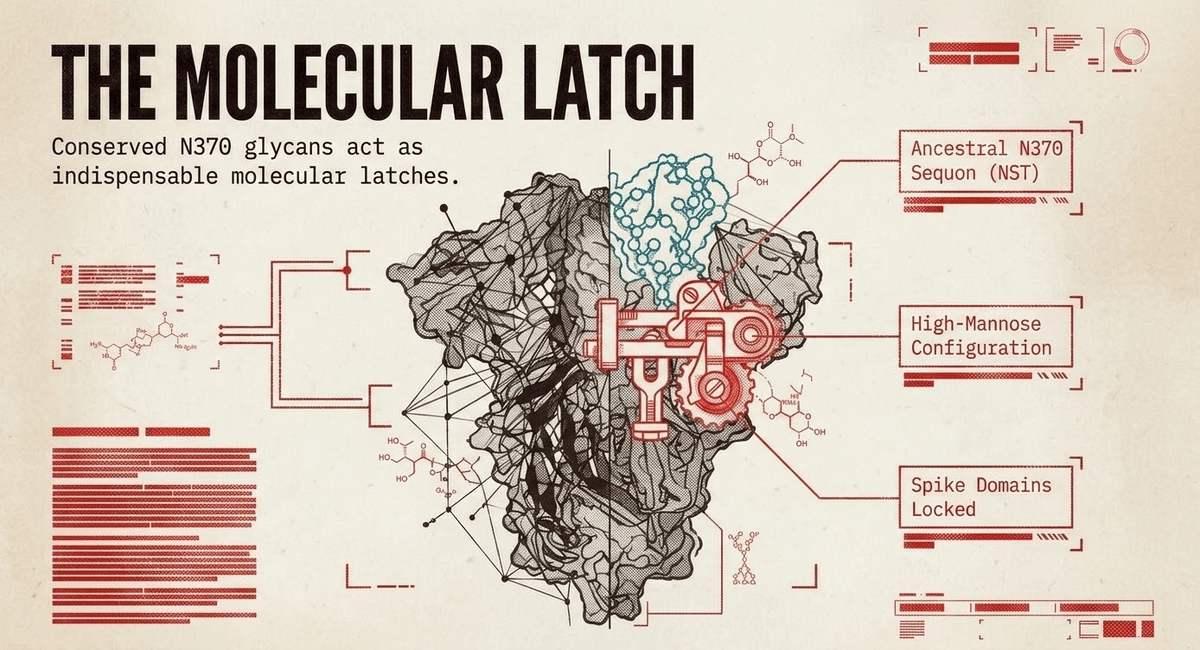
4/12 Why losing the glycan at N370 matters:
Experiments show putting the glycan back crashes replication 60x in human lung cells.
In other words, the glycan which favours transmission in bats/pangolins prevents replication in human lungs.
So why did the glycan loss happen in nature?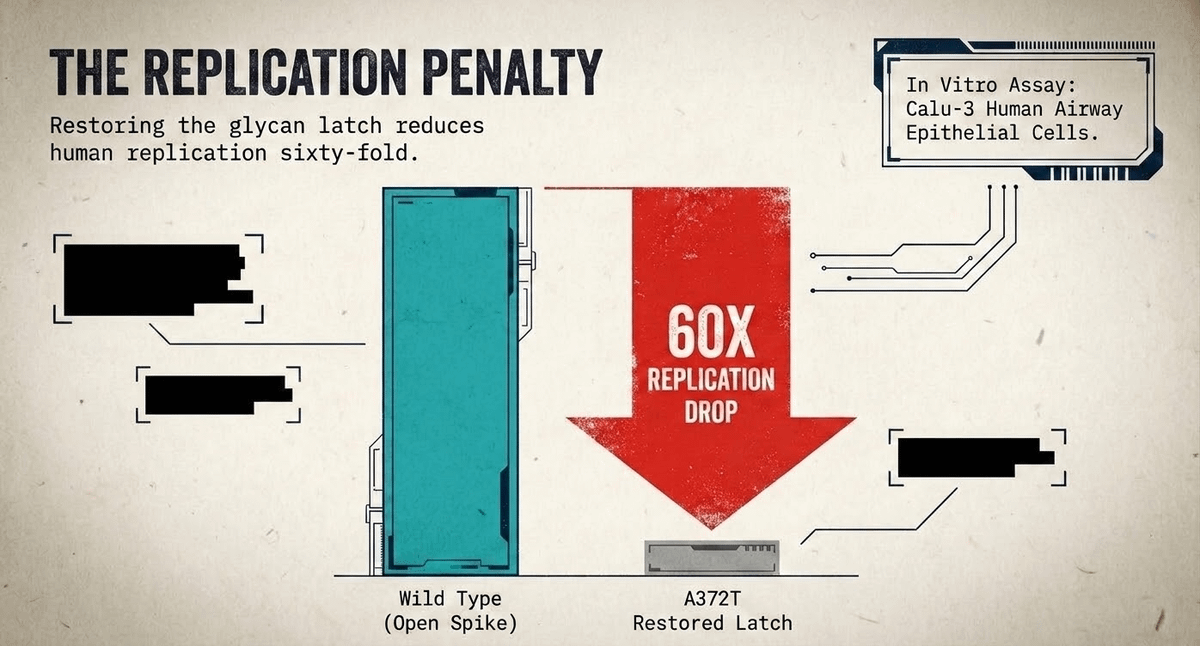
5/12 Additionally, Havens et al. (2026) modeling shows no evolutionary struggle typical before animal-to-human jumps.
SARS-CoV-2 appears suddenly with no trace of natural adaptation, and a mystery glycan shield deletion that is optimized for human cells.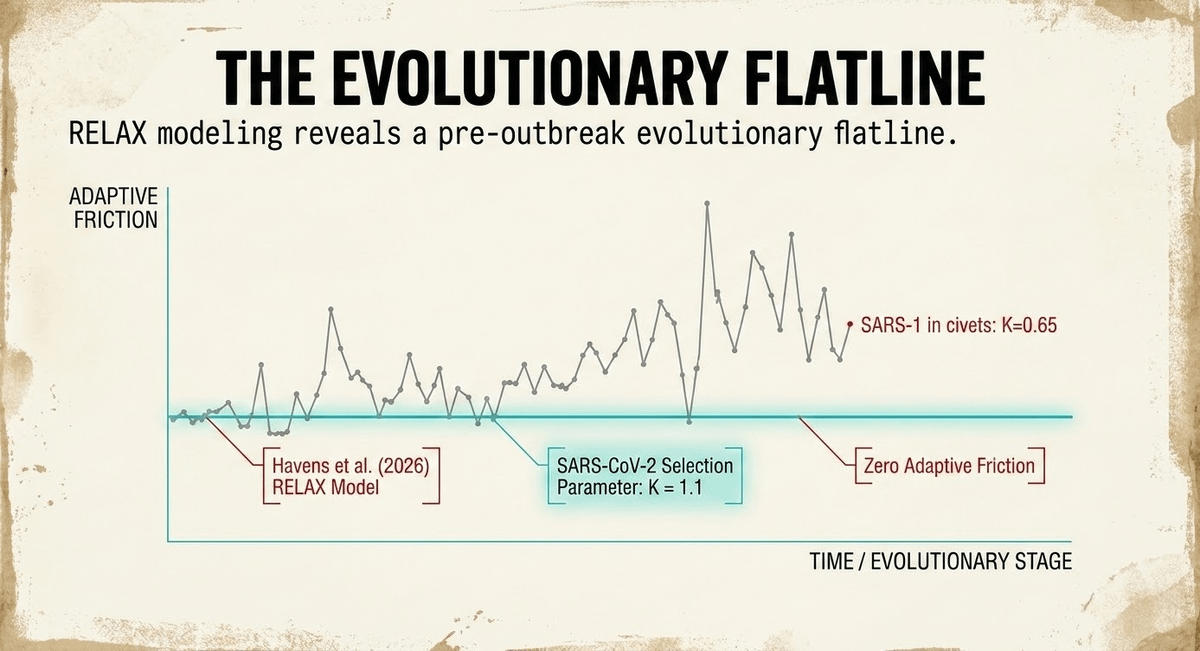
6/12 🧬 But that's not all. There is also a double codon anomaly:
- That T372A mutation uses a GCA codon, which is rare in nature.
- The PRRA furin insert also uses GCA.
Both occurring at these exact spots, by chance?
The probability of that double event is weak.
@DrJMarine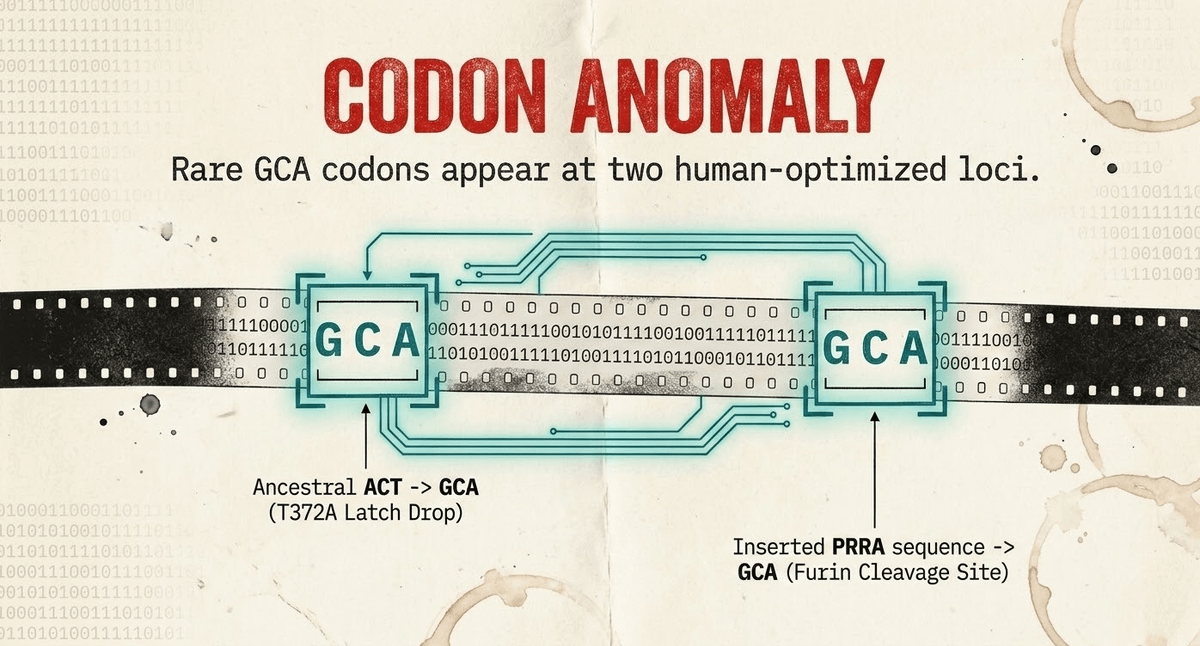
7/12 Does that point to some possible lab product?
SARS-CoV-2 genome has specific oddities, that are difficult to reconcile with natural evolution, but that are well resolved via standard culture in human cells and key targeted genome alterations.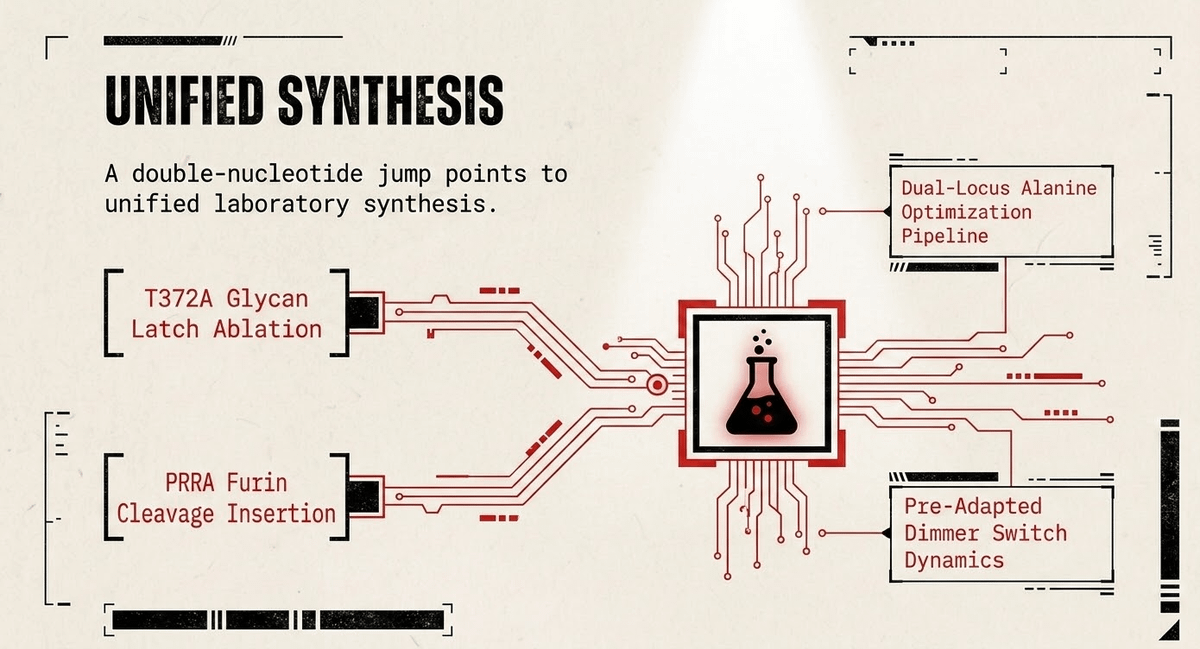
8/12 🧪 Pure speculation? Nobody considered it?
- By 2017, standard lab methods existed to ablate glycan shields and optimize cleavage sites.
- The 2018 DEFUSE proposal explicitly planned these exact manipulations.
This wasn't fiction. It was doable, documented and bang on the research path.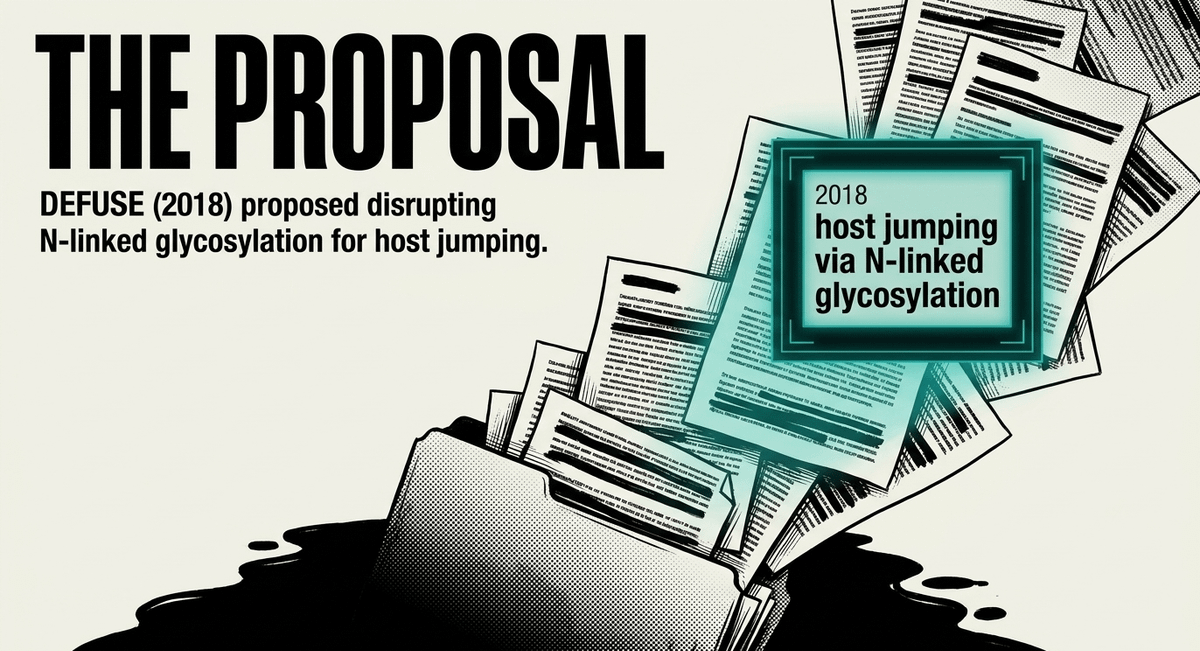
9/12 In January 2019, Baric summed it up again in a presentation with the top Chinese specialist in Harbin.
He also warned them against passaging at low biosafety level, where 'success' would mean a likely human infection.
@quay_dr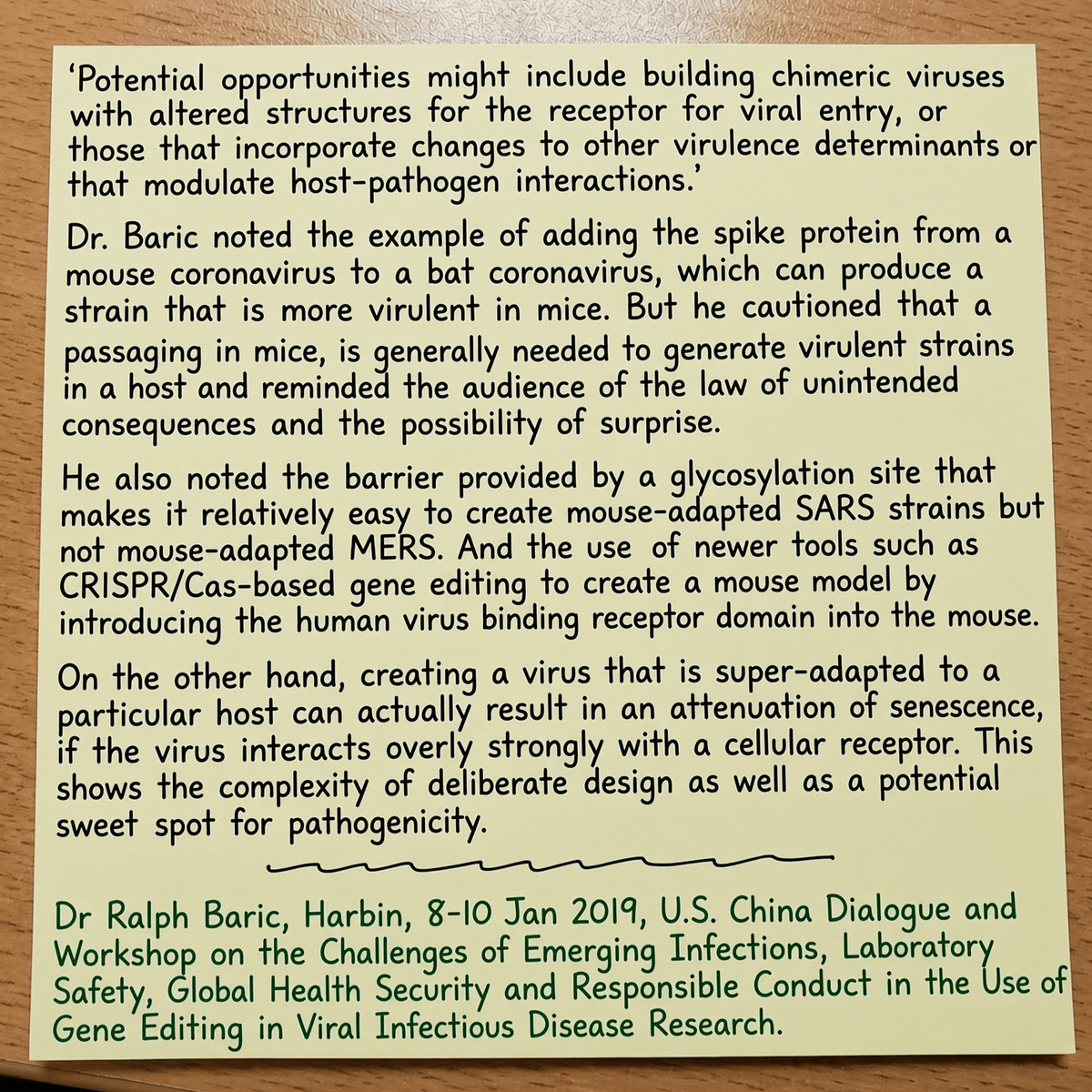
10/12 P.O. argued that the FCS is sub-optimal, so not something that one would design.
However, passaging (recommended by Baric in Harbin) would have landed it there.
Plus Baric explained in Harbin that super-adaptation can restrict virulence, by getting the virus stuck to the cellular receptor.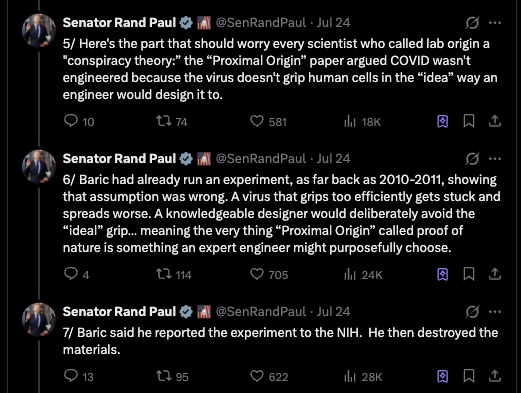

Gilles Demaneuf
@gdemaneuf
Pointy Head. Opinions, analyses and views expressed are purely mine and should not in any way be characterised as representing any institution or company.