Plagues are scary whether it’s our experience or ancient experiences, human culture perseveres.
My first thread on the Athenian Plague of 430BC, looking at the most recently re-excavated area of Kerameikos and its archaeological findings.
#PlagueofAthens #AncientEpidemics
1/ First a little history: Kerameikos is one of the most famous necropolises in Athens and in the age of archaeological antiquity, when Kerameikos (meaning ceramic) was first excavated, it was loved for its numerous beautiful ceramic material findings #history #Greece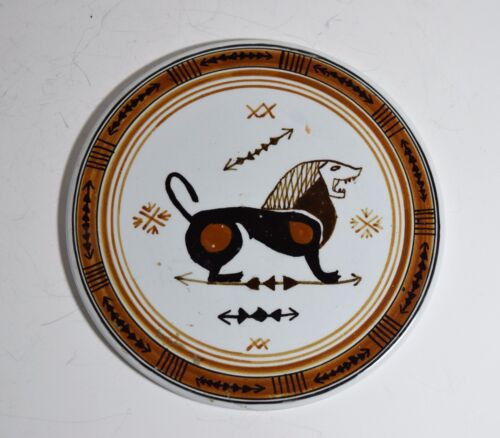
Graml, C. (2020). The sanctuary of Artemis Soteira in the kerameikos of Athens. doi.org/10.2307/j.ctv1c9hmd3
2/ They succeeded at their goal to discover material culture that could be taken from the archaeological context and stored in personal collections/museums or sold. Like the item shown above
#plaguehistory
3/ Moving from the antiquarian age to the post-processual, our goals for excavating Kerameikos and other sites, has changed to focus on the cultural significance and discover the human experience of those living at the time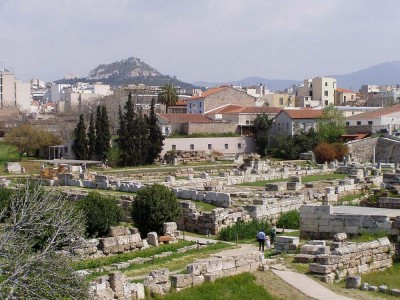
4/Modern archaeology, with increasing amount of archaeologist perspectives and origins continue to broaden the scope of archaeological discovery in terms of the human experience. Kerameikos has been excavated many times, but this last excavation in 1994 brings a lot more to light
5/ This last excavation took place by government request because they wished to construct a metro railway through the area. For the construction of metro railway to begin, the area shown below needed to be re-excavated by a team of archaeologists #Greece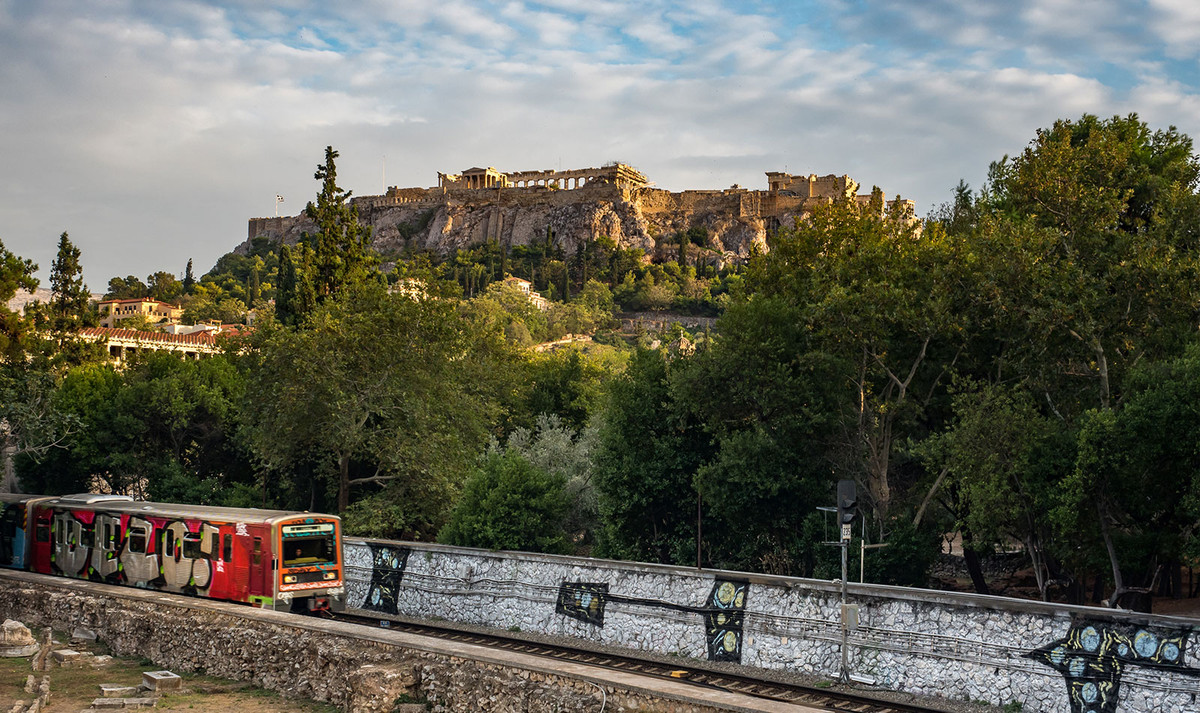
Busuttil, S. (2019, April 2). Next stop, ancient athens: A Subway Ride Through Time. Travel Writer Shaun Busuttil. Retrieved June 9, 2022, from shaunbusuttil.com/stories/greece/ancient-athens-metro-archaeology
6/ to confirm the lack of significant history and sign off on the destruction of the site to make space for the metro or find history of significance and decline the construction of the metro railway
#Metro
7/ The small dark grey area on the lower part of this map shows the re-excavated area of Kerameikos. It contained 5 sites of archaeological interest. In the 5 sites, a total of 1191 burials were found across 0.15ha with material culture dating to the early 7th century BC #Pottery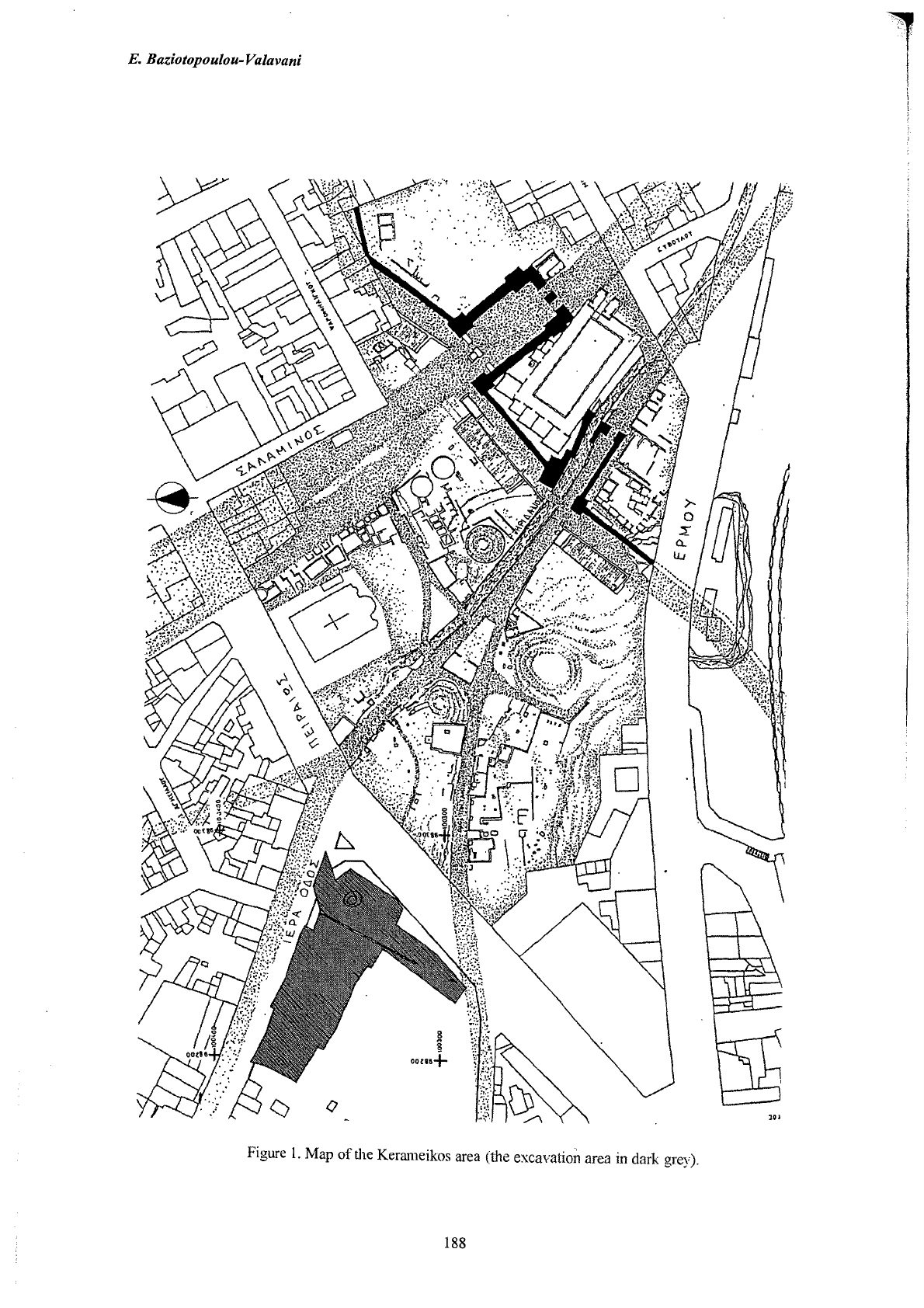
Baziotopoulou-Valavani, E. (2015, April 16). A mass burial from the cemetery of Kerameikos - [PDF document]. documents.pub. Retrieved June 7, 2022, from documents.pub/document/a-mass-burial-from-the-cemetery-of-kerameikos.html
8/ During the excavation, the archaeologists focused on three areas: A, B, and C. These areas gave clues to the human experience of Athenians enduring their plague. Showing us how they may have gotten through the crisis. #Athenian Plague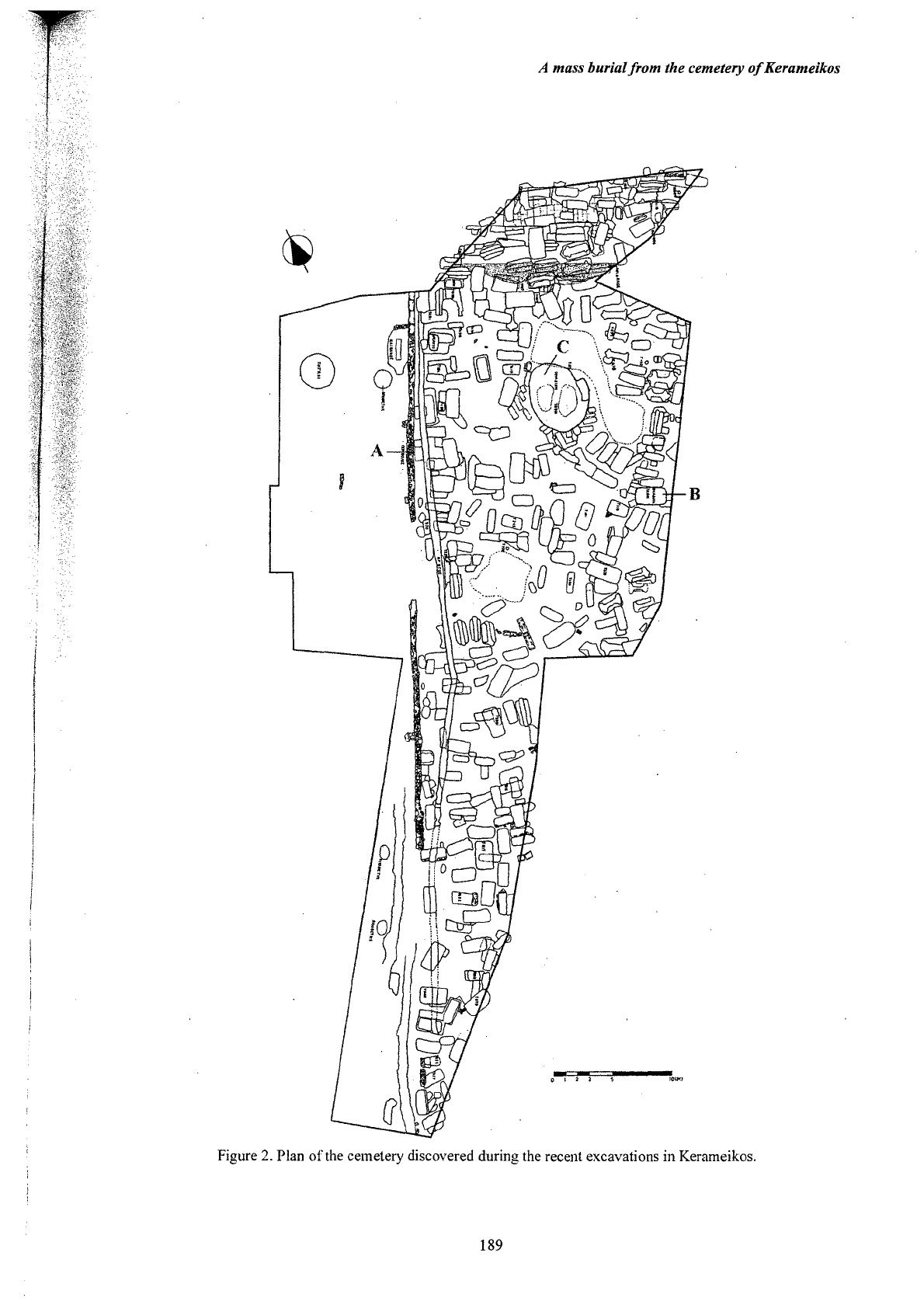
9/ In area A, we see proof of westward expansion of the cemetery during the time of the Great Kingdom (19th century). This wall, approx. 200 m from the main city wall has been heavily disturbed and left unornamented
10/ Area A demonstrates the continued use of structure and rules during times of crisis. By expanding the area in which they bury their dead, we can deduce that the human experience of this time relied upon respect for the dead
11/ In Area B we see a rectangular mass burial grave shaft with 27 adult bodies, buried in two layers. Sherds (ceramic pieces) found at the bottom of this pit were thermoluminescence dated to the time of the #PeloponnesianWar (420BC) which coincided with the Athenian plague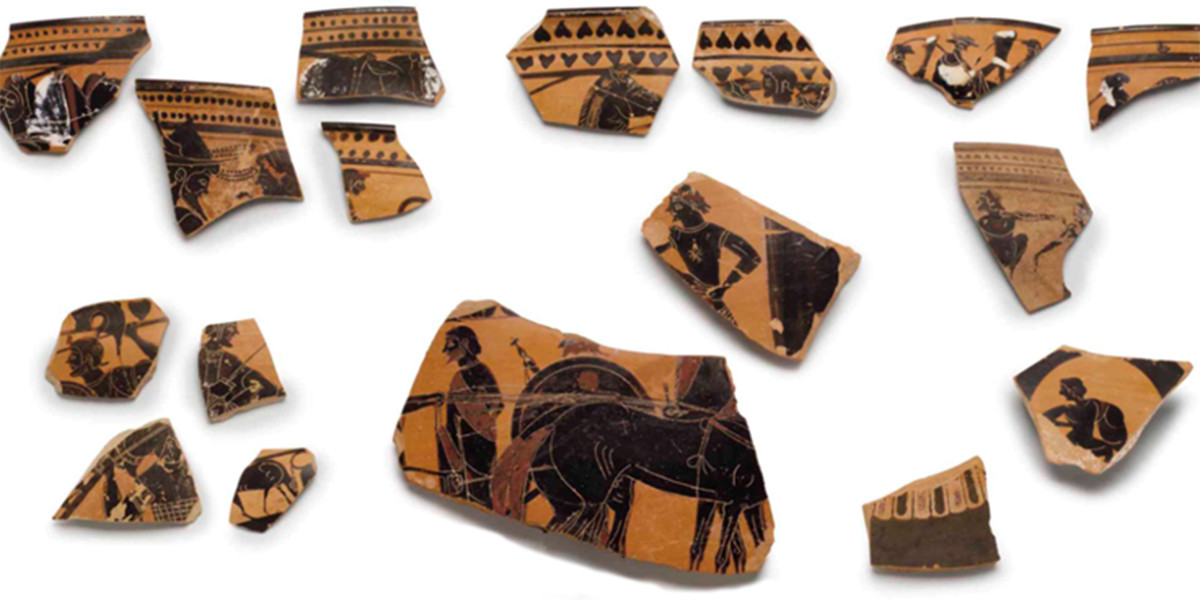
Perkins, D. (2021, March 1). Piecing together cultural context: Ancient greek painted pottery sherds. @middartmuseum. Retrieved June 7, 2022, from sites.middlebury.edu/middartmuseum/2021/03/01/piecing-together-cultural-context-ancient-greek-painted-pottery-sherds/
12/ These sherds show further insight into the human experience by giving us a visual representation of how much art culture was a center piece of their civilization. With the different pot designs and images we can see art was used as an emotional escape from fear
13/ However, Area C was the site with the most dramatic discoveries. In an irregularly shaped grave 6.5m long and 4.3 m deep 89 adult bodies, 30 skulls, and 8 infants laid to rest. The lower level of buried bodies were more properly buried with space and direction
14/ But as the bodies were piled up in a stack 5 high, there was no more dirt in between the bodies or proper facing or laying of the bodies. This rushed process shows proof of the need to bury a significant amount of people in as short of time necessary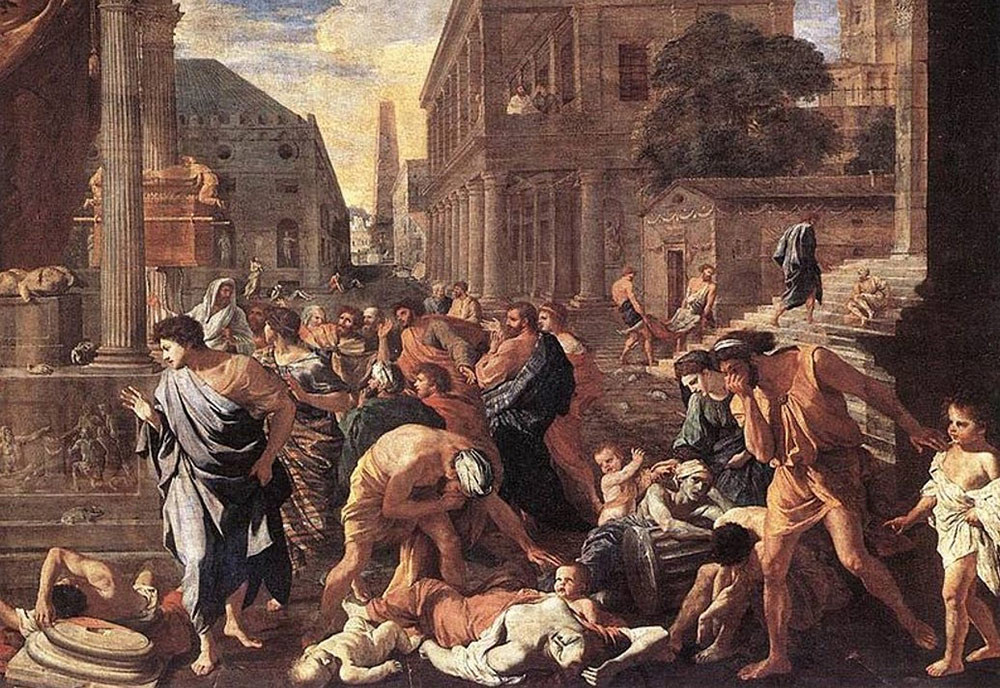
Kilian, C. (2022, January 25). What can we learn from a plague 24 centuries ago? The Tyee. Retrieved June 9, 2022, from thetyee.ca/Analysis/2022/01/25/What-Can-We-Learn-Plague-24-Centuries-Ago/
15/ Thus, indicating proof the existence of a deadly plague. The beginnings of the grave however support the idea from Area A that the burial of their fellow citizens was and important piece of their culture
16/ Opposite to the later care shown to adults, infants were always shown respect, buried and covered with one or two large amphora sherds (large ceramic piece),of which the excess was smashed and was buried with the infant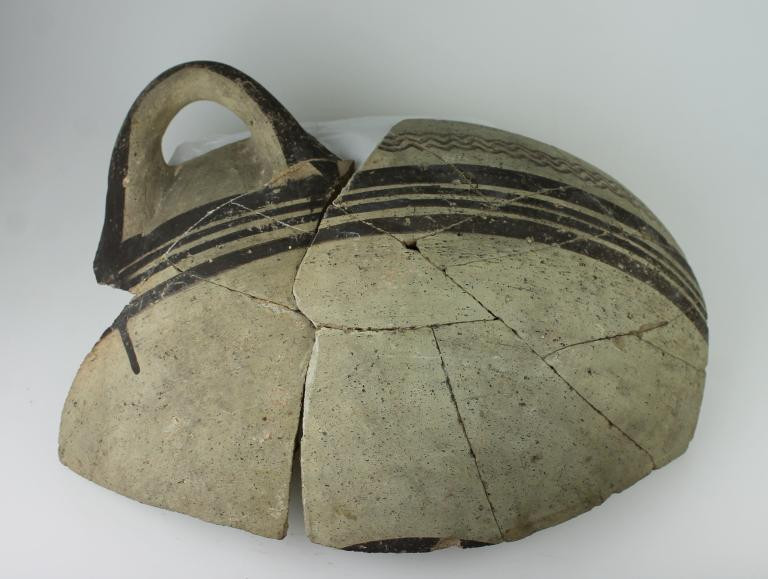
17/ These sherds are what give us the most insight into their burial practices during times of crisis. From ceramic location alone we can piece together that infant deaths were more greatly mourned by society and respected within the burial process
18/ The material culture found in this mass burial pit are categorized by a battleship curve and thermoluminescence dating. Both of which date the whole and shattered pottery sherds to sometime between 430BC and 420BC, during the time of the #Athenian plague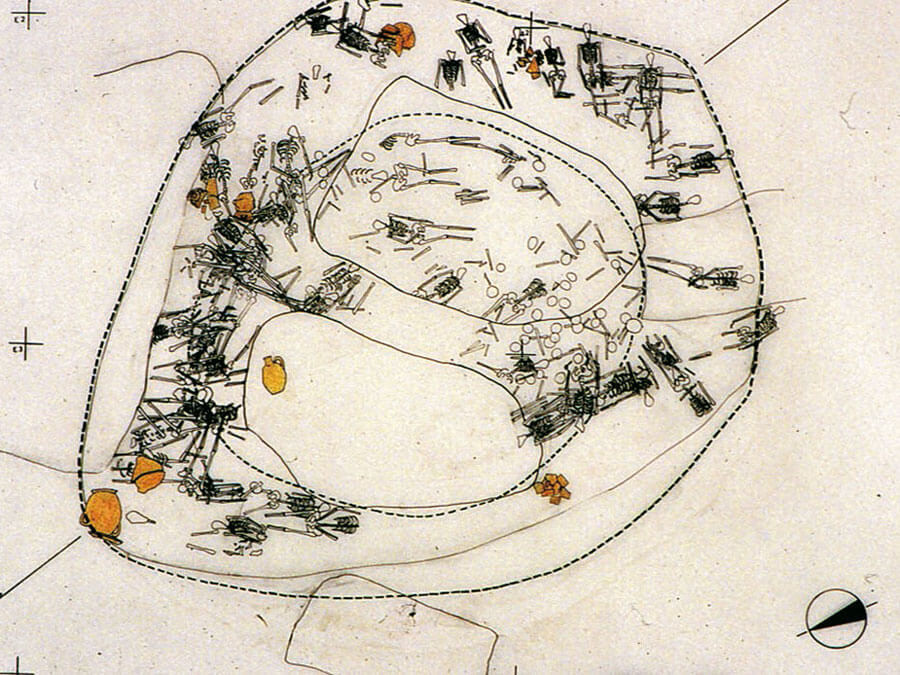
dev, S. U.-. (2020, March 24). The Great Plague of athens: Lessons from the past. Athens Tours by Local Experts & Greece Trips. Retrieved June 7, 2022, from greektraveltellers.com/blog/the-plague-of-athens
19/ The grave offerings at Area C consisted solely of the Attic pottery in the shape of pelikes, kothons, lekythoi, and chous designs. These designs follow the battleship curve of popularity following the main expected pottery designs during the time of the plague
20/ You can see more of the material found at Kerameikos by visiting @kerameikos_org 's site. They have many image of what each design looks like #Archaeology
21/ Unfortunately, Area C was not whole, two more recent graves were dug into the existing one many years later. This can be expected due to the lack of gravestones to visually represent used ground to those still alive
Bérard, R.-M., & Castex, D. (2021). Epidemics and Wars: Comparative Archaeology and Anthropology of Ancient Greek Mass Burials. ATHENS JOURNAL OF HISTORY, 7(4), 295–318. doi.org/10.30958/ajhis.7-4-3
22/ These 2 graves destroyed parts of the original burial pit, however, through proper analysis of the skeletal remains, archaeologists could extrapolate there were about 150 original bodies buried in the mass burial pit
23/ Through DNA sample analysis of 3 teeth taken from the skeletons in the grave it has been concluded that the teeth contain Salmonella enterica serovar, also known as Typhoid Fever
24/ While 6 other pathogens were tested for as most expected causes of the Athenian plague, only Typhoid fever came back positive on all three teeth. This finding is support through #Thucydides account as a Greek historian who survived the Athenian Plague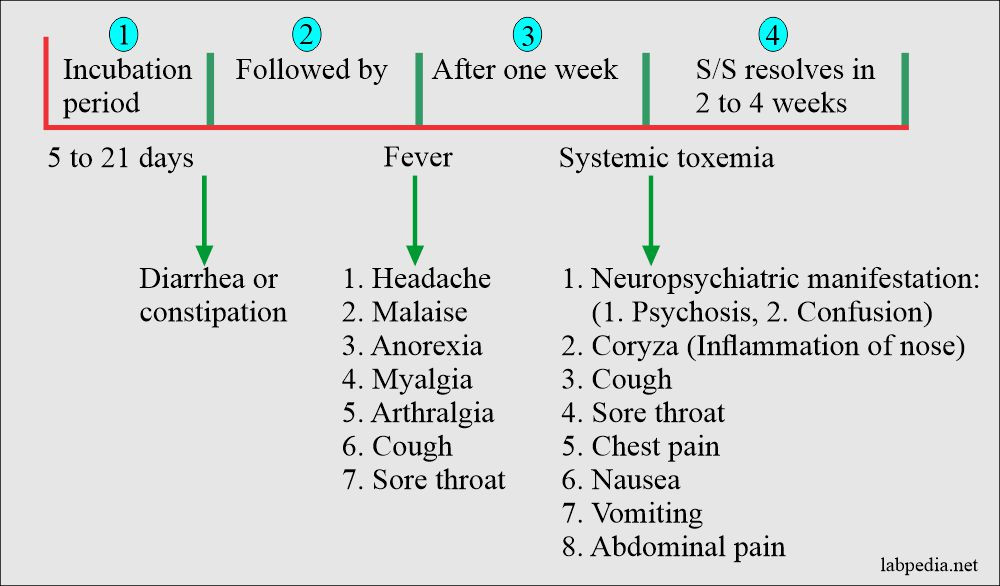
25/ In his account of the plague, he describes all the signs shown in the image above, effectively demonstrating the fear felt by the people trapped within the capital by their leader Pericles to keep his citizens safe from the Spartans
Dagnino S, J. (2011). ¿Qué fue la plaga de atenas? Revista Chilena De Infectología, 28(4), 374–380. doi.org/10.4067/s0716-10182011000500013
26/ Both the material remains and Thucydides account of the plague give further insight into the emotional side of the human experience of the Athenians experiencing the plague at this time in a way that only be described as terrifying
27/ The material remains at Kerameikos and historical context given by Thucydides allows modern archaeologists to get a sense of the human experience past plague. Were you able to relate to their fear?
28/ See more on the #AthenianPlague @FlintDibble or @kerameikos_org

Riley McCabe
@RileyMcCabee
Student at the University of Washington. Majoring in Anthropology: Archaeological Sciences @UW #archaeology